Saturday, February 23, 2013

Quick Makeup Tricks

Quick Makeup Tricks: Simple Tips for a Fast and Flawless Look

In today’s busy world, not everyone has the time for a full makeup routine. Whether you are getting ready for work, school, a meeting, or a last-minute outing, quick makeup tricks can help you look fresh and polished in just a few minutes. The key is knowing smart techniques that enhance your natural features without requiring dozens of products.

This guide shares easy and practical makeup tricks that save time while delivering beautiful results. These tips work for beginners and anyone who wants a faster routine without compromising on style.


1. Start with Well-Prepared Skin

Applying moisturizer before makeup

Quick makeup starts with good preparation. Clean and moisturized skin allows products to blend smoothly and last longer. If your skin is hydrated, you may even need less foundation.

Use a lightweight moisturizer and allow it to absorb fully before applying makeup. If you are short on time, choose a moisturizer that includes SPF to combine two steps into one.

Well-prepared skin creates a natural glow and reduces the need for heavy coverage.


2. Use Multi-Tasking Products

Multi-purpose products can significantly cut down your routine time. Instead of applying separate items, choose formulas that serve more than one purpose.

  • BB or CC cream instead of foundation
  • Lip and cheek tint for a coordinated look
  • Tinted moisturizer with sun protection

These products even out the complexion while keeping the look light and natural.


3. Conceal Strategically, Not Everywhere

Instead of applying foundation across your entire face, use concealer only where needed. Focus on under-eye areas, around the nose, and on any visible blemishes.

Blend gently using your fingertip, a sponge, or a small brush. This targeted approach saves time and prevents a heavy appearance.


4. Curl Your Lashes for Instant Lift

Applying mascara to curled lashes

If you have only one minute for eye makeup, curl your lashes and apply mascara. Curling instantly makes eyes look bigger and more awake.

Apply one light coat of mascara, focusing on the roots and moving upward. This simple trick can transform your face without needing eyeshadow or eyeliner.


5. Choose Neutral Eyeshadow Shades

Neutral tones like soft brown, beige, or peach are easy to apply and blend quickly. You can use one shade across the eyelid for a clean and polished look.

If you want subtle depth, apply a slightly darker tone to the outer corner and blend gently. Avoid complex color combinations when you are in a hurry.

Using fewer shades saves time while still adding dimension to the eyes.


6. Define Brows Quickly

Well-shaped brows frame the face and enhance overall makeup. Instead of spending too much time shaping them, lightly fill sparse areas using a brow pencil or powder that matches your natural hair color.

Use small strokes to mimic natural hairs. Finish by brushing through with a spoolie for a soft and natural finish.

Defined brows can make your face look complete even with minimal makeup.


7. Add a Natural Flush to Cheeks

Applying blush for natural glow

Blush instantly brightens your face. Choose a cream blush if you are short on time, as it blends easily with fingertips.

Smile gently and apply to the apples of your cheeks, blending outward. A soft pink or peach shade works well for everyday wear.

This step adds life to your complexion in seconds.


8. Highlight Key Areas Only

A small amount of highlighter can create a radiant finish. Apply lightly to the tops of your cheekbones, the bridge of your nose, or the inner corners of your eyes.

Use minimal product to avoid an overly shiny look. Subtle glow looks more natural and refined.


9. Choose a Simple Lip Color

When time is limited, opt for tinted lip balm, gloss, or a neutral lipstick. These options are easy to apply without precise lining.

If you prefer a bold lip, apply lipstick directly and gently blot with tissue for a softer finish.

Keeping lips moisturized also improves the final result.


10. Set Lightly for Long-Lasting Results

To ensure your quick makeup lasts throughout the day, use a light setting powder on oily areas or a setting spray for an all-over finish.

A small amount is enough to prevent shine and keep products in place.


Extra Time-Saving Tips

  • Keep your makeup tools organized.
  • Clean brushes regularly for smoother application.
  • Choose products suitable for your skin type.
  • Practice your routine to improve speed and confidence.

The more familiar you are with your products, the faster your routine will become.


Final Thoughts

Quick makeup tricks are about working smarter, not harder. By focusing on preparation, multi-tasking products, and essential steps like mascara, blush, and brows, you can achieve a fresh and polished look in minutes.

Makeup should enhance your natural beauty, not feel stressful or time-consuming. With these simple techniques, you can confidently step out looking refreshed even on your busiest days.

Consistency and practice will help you perfect your fast routine while keeping it elegant and balanced.

7 Ways to Keep Hair Healthy

7 Ways to Keep Hair Healthy: A Complete Guide to Strong and Shiny Hair

Healthy hair is often seen as a sign of overall wellness. While genetics do play a role in hair texture and thickness, daily habits and proper care make a significant difference in how your hair looks and feels. Exposure to pollution, heat styling, poor nutrition, and stress can weaken hair over time. The good news is that simple, consistent practices can help maintain strong, shiny, and manageable hair.

In this guide, you will discover seven practical and effective ways to keep your hair healthy naturally. These tips are easy to follow and suitable for most hair types.


1. Maintain a Balanced and Nutrient-Rich Diet

Healthy balanced diet with vegetables and fruits

Your hair health begins from within. Hair follicles require essential nutrients to grow strong strands. A diet lacking in key vitamins and minerals may lead to dullness or weakness over time.

Important nutrients for healthy hair include:

  • Protein: Hair is primarily made of protein. Include eggs, fish, legumes, and lean meats in your meals.
  • Iron: Helps carry oxygen to hair follicles. Found in spinach and beans.
  • Omega-3 fatty acids: Support scalp health. Present in nuts and seeds.
  • Vitamins A, C, D, and E: Help maintain scalp and hair structure.

Instead of relying heavily on supplements, aim to obtain nutrients through whole foods whenever possible.


2. Wash Your Hair Properly

Washing your hair removes dirt, oil buildup, and environmental pollutants. However, over-washing can strip natural oils that protect and moisturize the scalp.

Choose a mild shampoo suitable for your hair type. If your scalp is oily, you may need more frequent washing, while dry or curly hair often benefits from fewer washes per week.

When shampooing:

  • Massage gently with your fingertips, not nails.
  • Focus on the scalp rather than the ends.
  • Rinse thoroughly to prevent residue buildup.

Following up with a conditioner helps restore moisture and smooth the hair cuticle.


3. Avoid Excessive Heat Styling

Hair styling with blow dryer

Frequent use of flat irons, curling irons, and blow dryers can weaken hair strands and cause breakage. High temperatures damage the protective outer layer of the hair, leading to dryness and split ends.

To minimize heat damage:

  • Use heat styling tools at the lowest effective temperature.
  • Apply a heat protectant product before styling.
  • Allow hair to air dry whenever possible.

Giving your hair regular breaks from heat can significantly improve its overall strength and shine.


4. Trim Regularly to Prevent Split Ends

Regular trims help remove split ends before they travel further up the hair shaft. Even if you are trying to grow your hair longer, trimming every 6 to 8 weeks keeps it looking healthier.

Split ends make hair appear frizzy and uneven. By maintaining clean ends, your hair will look thicker and more polished.


5. Protect Your Hair from Environmental Damage

Woman protecting hair outdoors in sunlight

Sun exposure, pollution, wind, and chlorine can affect hair health. Just like skin, hair needs protection from environmental stressors.

Consider these protective measures:

  • Wear a hat in strong sunlight.
  • Rinse hair after swimming in chlorinated water.
  • Use protective hairstyles in windy conditions.
  • Avoid prolonged exposure to harsh environmental elements.

These small habits help maintain moisture and prevent dryness.


6. Be Gentle When Brushing and Drying

Wet hair is more vulnerable to breakage. Rough towel drying and aggressive brushing can weaken strands.

For safer handling:

  • Use a wide-tooth comb on damp hair.
  • Start detangling from the ends and work upward.
  • Pat hair dry gently instead of rubbing.

Using a soft microfiber towel or cotton T-shirt can reduce friction and frizz.


7. Manage Stress and Maintain Overall Health

Stress can impact overall well-being, including hair health. Chronic stress may disrupt the hair growth cycle. While occasional stress is normal, long-term stress management supports healthier hair growth.

Healthy lifestyle practices include:

  • Regular physical activity
  • Proper sleep (7–9 hours nightly)
  • Hydration throughout the day
  • Mindfulness or relaxation techniques

Taking care of your body supports stronger hair from the inside out.


Common Hair Care Mistakes to Avoid

Even with good intentions, certain habits may harm hair health:

  • Using harsh chemical treatments frequently
  • Tight hairstyles that pull on roots
  • Skipping conditioner regularly
  • Applying too many styling products

Moderation and balance are key to maintaining healthy hair long term.


Final Thoughts

Keeping your hair healthy does not require complicated routines or expensive treatments. By following these seven practical steps — eating well, washing properly, limiting heat, trimming regularly, protecting from environmental damage, handling gently, and managing stress — you can support stronger, shinier hair.

Consistency matters more than quick fixes. Healthy hair reflects overall care and patience. With the right daily habits, you can maintain beautiful and manageable hair at every stage of life.

Saturday, February 16, 2013

Eye Makeup in 4 Easy Steps

Eye Makeup in 4 Easy Steps: A Beginner-Friendly Guide to Beautiful Eyes

Eye makeup has the power to transform your entire look. Whether you prefer a natural everyday style or a bold evening appearance, mastering a few basic techniques can make the process simple and enjoyable. The good news is that you do not need professional training or dozens of products to achieve beautiful results.

In this complete guide, you will learn how to apply eye makeup in four easy steps. These beginner-friendly techniques focus on blending, balance, and enhancing your natural features while keeping the look fresh and elegant.


Why Eye Makeup Matters

The eyes are often the first feature people notice. Proper eye makeup can define your eye shape, brighten your face, and create depth. When applied correctly, it enhances your natural beauty without looking heavy or overdone.

Understanding the basics is important. Instead of layering too many products, focus on placement, blending, and choosing shades that complement your skin tone and eye color.


Step 1: Prepare and Prime the Eyelids

Applying eye primer before makeup

Preparation is the foundation of long-lasting eye makeup. Clean eyelids help products apply smoothly and prevent creasing throughout the day.

How to Prepare Your Eyes

  • Gently cleanse your face and eyelids.
  • Apply a lightweight moisturizer.
  • Use a small amount of eye primer or concealer on the eyelids.

Primer creates a smooth base, improves color payoff, and helps eyeshadow stay in place for hours. If you do not have a primer, a small amount of concealer blended evenly across the lid can work as an alternative.

Allow the base to set for a few seconds before moving to the next step.


Step 2: Apply and Blend Eyeshadow

Applying eyeshadow with brush

Eyeshadow adds depth and dimension to your eyes. The key to a professional look is blending.

Simple Eyeshadow Method

1. Base Shade: Apply a neutral shade close to your skin tone across the entire eyelid. This creates an even canvas.

2. Crease Shade: Choose a slightly darker shade and apply it to the crease area using a fluffy brush. Blend in circular motions to avoid harsh lines.

3. Outer Corner: For added definition, apply a slightly deeper tone to the outer corner of the eye and blend inward.

Blending is essential. Harsh lines can make the makeup appear uneven, while smooth transitions create a soft and polished finish.

If you prefer a natural daytime look, stick to soft browns, peach tones, or subtle pink shades. For evening events, you can choose deeper tones such as bronze or plum.


Step 3: Define the Eyes with Eyeliner

Eyeliner enhances the shape of your eyes and makes your lashes appear fuller. There are different types of eyeliners, including pencil, liquid, and gel. Beginners often find pencil eyeliner easier to control.

How to Apply Eyeliner

  • Start from the inner corner of the upper lash line.
  • Draw small strokes instead of one long line.
  • Keep the line thin for a natural appearance.

If you want a slightly lifted effect, extend the liner gently upward at the outer corner. This creates a subtle wing that enhances eye shape without being dramatic.

Avoid pulling the eyelid too tightly, as this can distort the line. Instead, keep your hand steady and use short strokes for better control.


Step 4: Finish with Mascara

Applying mascara to eyelashes

Mascara adds volume, length, and definition to your lashes. It is often the final touch that completes the eye makeup look.

How to Apply Mascara Properly

  • Start at the base of your lashes.
  • Wiggle the wand slightly while moving upward.
  • Apply one or two coats, allowing the first layer to dry slightly before adding more.

Avoid pumping the mascara wand in and out of the tube, as this introduces air and dries out the product faster.

For a more open-eye effect, you may lightly apply mascara to the lower lashes. Use a gentle hand to prevent clumping.


Common Eye Makeup Mistakes to Avoid

Even simple eye makeup can go wrong without proper technique. Here are a few common mistakes and how to avoid them:

  • Skipping primer, which causes creasing.
  • Using too much product at once.
  • Not blending eyeshadow properly.
  • Applying thick eyeliner for daytime looks.
  • Overloading mascara, causing clumps.

Remember, subtle adjustments often look more elegant than heavy application.


Tips for Long-Lasting Eye Makeup

If you want your eye makeup to stay fresh throughout the day:

  • Use waterproof mascara for humid conditions.
  • Set your under-eye area lightly with powder.
  • Carry blotting paper to reduce excess oil.
  • Avoid touching or rubbing your eyes.

Quality products and proper blending can significantly improve durability.


Final Thoughts

Learning eye makeup in four easy steps makes the process simple and stress-free. Preparation, blending eyeshadow, defining with eyeliner, and finishing with mascara are the basic elements that create a polished look.

With regular practice, your confidence will grow, and the application process will become quicker and more precise. Whether you prefer a soft everyday appearance or a bold evening style, mastering these fundamentals ensures beautiful results every time.

Makeup is a form of self-expression. Keep it balanced, enhance your natural features, and most importantly, enjoy the process.

Anti-Aging Health Alert: Vitamins Alter Aging

Anti-Aging Health Alert: How Vitamins May Influence the Aging Process

Aging is a natural biological process that affects every organ, cell, and system in the human body. While growing older is inevitable, scientific research continues to explore how nutrition — especially vitamins — may influence how we age. Although no vitamin can completely stop aging, certain nutrients may support cellular health, protect against damage, and promote long-term vitality.

This anti-aging health alert explores how vitamins may alter aspects of the aging process and how you can support your body naturally through balanced nutrition.


Understanding the Aging Process

Healthy senior couple walking outdoors

Aging happens at the cellular level. Over time, cells experience oxidative stress, inflammation, and gradual decline in repair efficiency. Collagen production slows down, metabolism changes, and the immune system may weaken. Lifestyle factors such as diet, stress, sun exposure, sleep, and physical activity play a major role in how quickly visible and internal signs of aging appear.

Researchers believe that proper nutrient intake may help slow certain age-related processes by supporting cell repair, protecting DNA, and reducing inflammation.


The Role of Vitamins in Healthy Aging

Vitamins are essential micronutrients that the body needs in small amounts to function properly. Many vitamins act as antioxidants, helping to protect cells from oxidative stress — one of the main contributors to aging.

Below are key vitamins that research associates with healthy aging support.


Vitamin C: Supporting Collagen and Skin Health

Fresh fruits rich in vitamin C

Vitamin C is widely known for its immune-supporting properties, but it also plays a significant role in collagen production. Collagen is the protein responsible for skin firmness and elasticity. As collagen naturally declines with age, fine lines and wrinkles may appear.

Vitamin C acts as an antioxidant, helping to protect skin cells from free radical damage caused by UV exposure and pollution. Foods rich in vitamin C include oranges, strawberries, bell peppers, kiwi, and broccoli.

Regular dietary intake may help maintain healthier skin structure over time.


Vitamin E: Cellular Protection

Vitamin E is another powerful antioxidant that helps protect cell membranes from oxidative damage. It works closely with vitamin C to reduce the harmful effects of free radicals.

This vitamin is commonly found in nuts, seeds, spinach, and sunflower oil. Adequate intake may support skin health and immune function, both of which can be affected by aging.


Vitamin A: Skin Renewal and Vision Support

Vitamin A contributes to skin cell turnover and maintenance. Retinoids, which are derived from vitamin A, are commonly used in dermatology to improve the appearance of fine lines and uneven skin texture.

However, excessive intake of vitamin A supplements may have side effects. It is best obtained through foods such as carrots, sweet potatoes, and leafy greens unless advised otherwise by a healthcare professional.


Vitamin D: Bone and Immune Health

Sunlight and healthy outdoor lifestyle

Vitamin D becomes increasingly important with age. It supports bone density, immune health, and muscle strength. As people grow older, their ability to synthesize vitamin D from sunlight may decline.

Low vitamin D levels have been associated with increased risk of bone loss and certain chronic conditions. Moderate sun exposure and foods like fatty fish, fortified milk, and eggs may help maintain adequate levels.


B Vitamins: Energy and Brain Function

The B-complex vitamins, including B6, B12, and folate, play a critical role in energy production and neurological function. As aging progresses, absorption of vitamin B12 in particular may decrease.

Maintaining sufficient B vitamin levels may support cognitive performance, reduce fatigue, and promote heart health. Whole grains, eggs, dairy products, and legumes are excellent sources.


Antioxidants and Oxidative Stress

One of the primary theories of aging involves oxidative stress. Free radicals are unstable molecules that damage cells over time. Antioxidant vitamins such as C and E help neutralize these molecules, potentially slowing certain aspects of cellular aging.

However, balance is essential. Extremely high-dose supplementation without medical supervision is not recommended. Whole foods remain the safest and most effective source of antioxidants.


Can Vitamins Reverse Aging?

It is important to clarify that vitamins do not reverse aging or act as a “youth pill.” Aging is a complex biological process influenced by genetics, environment, and lifestyle factors. Vitamins may support overall health and reduce certain visible signs, but they cannot stop time.

Healthy aging requires a comprehensive approach that includes:

  • Balanced nutrition
  • Regular physical activity
  • Stress management
  • Quality sleep
  • Sun protection
  • Avoiding smoking

Vitamins work best when combined with these foundational habits.


Natural Food vs Supplements

Most health professionals recommend obtaining vitamins primarily from whole foods. Fruits, vegetables, nuts, seeds, lean proteins, and whole grains provide a combination of nutrients that work together synergistically.

Supplements may be helpful in cases of diagnosed deficiency, but they should be taken under medical guidance. Over-supplementation can sometimes cause imbalances or side effects.


Building an Anti-Aging Nutrition Plan

If your goal is to support healthy aging through vitamins, consider the following practical steps:

  • Include colorful fruits and vegetables daily
  • Consume healthy fats such as olive oil and nuts
  • Prioritize lean proteins for muscle maintenance
  • Stay hydrated throughout the day
  • Get moderate sunlight exposure

Consistency matters more than short-term dietary trends.


Final Thoughts: A Balanced Perspective

This anti-aging health alert highlights the growing interest in how vitamins may influence aging at the cellular level. While vitamins cannot prevent aging entirely, they play an important role in supporting skin health, immune function, bone strength, and overall vitality.

Rather than searching for a miracle solution, focus on sustainable nutrition and healthy habits. When combined with an active lifestyle and proper medical guidance, vitamins can be part of a long-term strategy for healthy aging.

Aging is not something to fear — it is a natural journey. With informed choices and balanced nutrition, you can support your body at every stage of life.

Anti-Wrinkles: to rid and prevent

Anti-Wrinkles: How to Get Rid of Wrinkles and Prevent Them Naturally

Wrinkles are a natural part of aging, but that does not mean you cannot reduce their appearance or slow down their formation. With the right skincare habits and healthy lifestyle choices, you can maintain smoother, younger-looking skin for years.


What Causes Wrinkles?

Close up of facial skin texture

Wrinkles develop due to several factors, including:

  • Loss of collagen and elastin
  • Sun exposure (UV damage)
  • Dehydration
  • Smoking
  • Repeated facial expressions
  • Natural aging process

While aging cannot be stopped, many external causes can be controlled.


How to Get Rid of Wrinkles

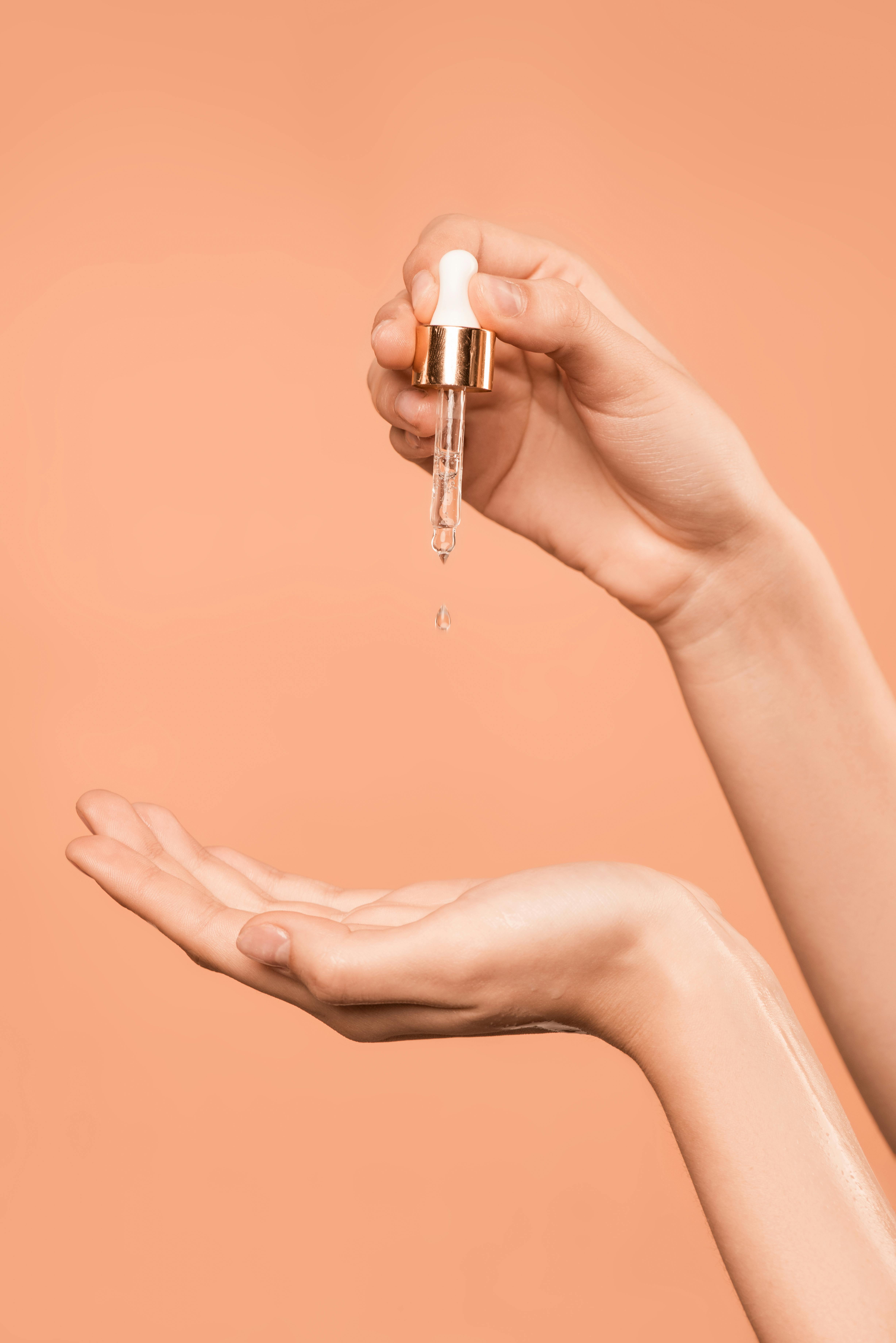
Woman applying skincare serum

1. Use Retinol or Vitamin A Products

Retinol helps boost collagen production and smooth fine lines over time. Start slowly and apply at night to avoid irritation.

2. Moisturize Daily

Hydrated skin looks plumper and smoother. Use a moisturizer suitable for your skin type to reduce the appearance of fine lines.

3. Consider Professional Treatments

Dermatological treatments like chemical peels, laser therapy, or microneedling can improve skin texture. Always consult a licensed professional before any procedure.


How to Prevent Wrinkles Naturally

Woman practicing healthy lifestyle and meditation

1. Wear Sunscreen Every Day

Sun protection is the most effective anti-aging step. Use SPF 30 or higher even on cloudy days.

2. Eat Antioxidant-Rich Foods

Fruits, vegetables, nuts, and healthy fats protect your skin from free radical damage and support collagen production.

3. Stay Hydrated

Drinking enough water improves skin elasticity and reduces dryness.

4. Get Enough Sleep

During sleep, your body repairs skin cells and produces collagen. Aim for 7–9 hours per night.

5. Avoid Smoking and Excess Alcohol

Smoking breaks down collagen and reduces blood flow to the skin, accelerating wrinkles.


Final Thoughts

Wrinkles are a natural part of life, but proper skincare and healthy habits can significantly reduce their appearance. Focus on prevention, protect your skin from the sun, nourish your body, and maintain consistency in your routine.

Healthy skin is not about perfection — it is about long-term care and balance.

10 ways to look younger

10 Scientifically Proven Ways to Look Younger Naturally

Looking younger is not about expensive treatments or unrealistic beauty standards. It is about healthy habits, smart skincare, and lifestyle choices that support your body from the inside out.


1. Protect Your Skin from the Sun

Person applying sunscreen outdoors

Sun exposure is one of the leading causes of premature aging. UV rays break down collagen, causing wrinkles, dark spots, and sagging skin.

  • Use sunscreen with SPF 30 or higher daily
  • Wear sunglasses and hats
  • Avoid peak sun hours

2. Follow a Simple Skincare Routine

Minimal skincare routine products

A basic routine works best: cleanser, moisturizer, sunscreen, and nighttime care. Consistency matters more than expensive products.


3. Stay Hydrated

Healthy hydration with water

Drinking enough water keeps your skin plump and glowing. Hydration improves elasticity and reduces dullness.


4. Get Enough Sleep

Peaceful bedroom sleep environment

Sleep allows your skin to repair and regenerate. Aim for 7–9 hours of quality sleep every night.


5. Eat a Nutrient-Rich Diet

Healthy colorful balanced diet

Fruits, vegetables, healthy fats, and proteins provide antioxidants that fight aging and support skin health.


6. Exercise Regularly

Woman doing fitness exercise

Exercise increases blood circulation and gives your skin a natural glow. Even 30 minutes daily makes a big difference.


7. Avoid Smoking and Limit Alcohol

Healthy lifestyle choice

Smoking and excessive alcohol damage collagen and speed up aging. Avoiding them keeps your skin firm and fresh.


8. Manage Stress Effectively

Meditation and stress management

Chronic stress increases aging signs. Practice meditation, deep breathing, or hobbies to relax your mind.


9. Maintain Good Posture

Confident posture standing

Good posture makes you appear confident and youthful instantly. Stand straight and keep your shoulders relaxed.


10. Keep a Positive Attitude

Smiling happy person

A positive mindset reflects on your face. Smiling and staying optimistic can make you look younger naturally.


Final Thoughts

Looking younger naturally is about long-term habits. Protect your skin, nourish your body, stay active, and maintain a positive mindset. Small daily changes can lead to lasting youthful results.

New Mineral Make-Up

New Mineral Make-Up: A Complete Guide for a Natural Look

Mineral make-up has become increasingly popular among beauty enthusiasts who prefer lightweight, skin-friendly products. With improved formulas and better shade ranges, new mineral make-up products now offer both comfort and coverage without feeling heavy on the skin.

What Is Mineral Make-Up?


Mineral make-up is typically made from natural minerals such as zinc oxide, titanium dioxide, iron oxides, and mica. These ingredients provide coverage while being gentle on sensitive skin. Many mineral formulas are free from parabens, artificial fragrances, and harsh chemicals.

What’s New in Modern Mineral Make-Up?

Today’s mineral make-up has evolved significantly. New improvements include:

Benefits of Using Mineral Make-Up

Applying makeup with brush

How to Apply Mineral Make-Up Properly

For the best results:

  • Start with clean, moisturized skin.
  • Use a kabuki brush for loose powder and apply in circular motions.
  • For liquid mineral foundation, blend evenly using a brush or sponge.
  • Set with a light finishing powder if needed.

Who Should Try Mineral Make-Up?

Mineral make-up is ideal for individuals who:

  • Prefer a natural, everyday look
  • Have sensitive or acne-prone skin
  • Want lightweight coverage without clogging pores

Final Thoughts

New mineral make-up combines natural ingredients with modern cosmetic technology to deliver comfortable, long-lasting coverage. By choosing quality products and applying them correctly, you can achieve a fresh, polished look that enhances your natural beauty.