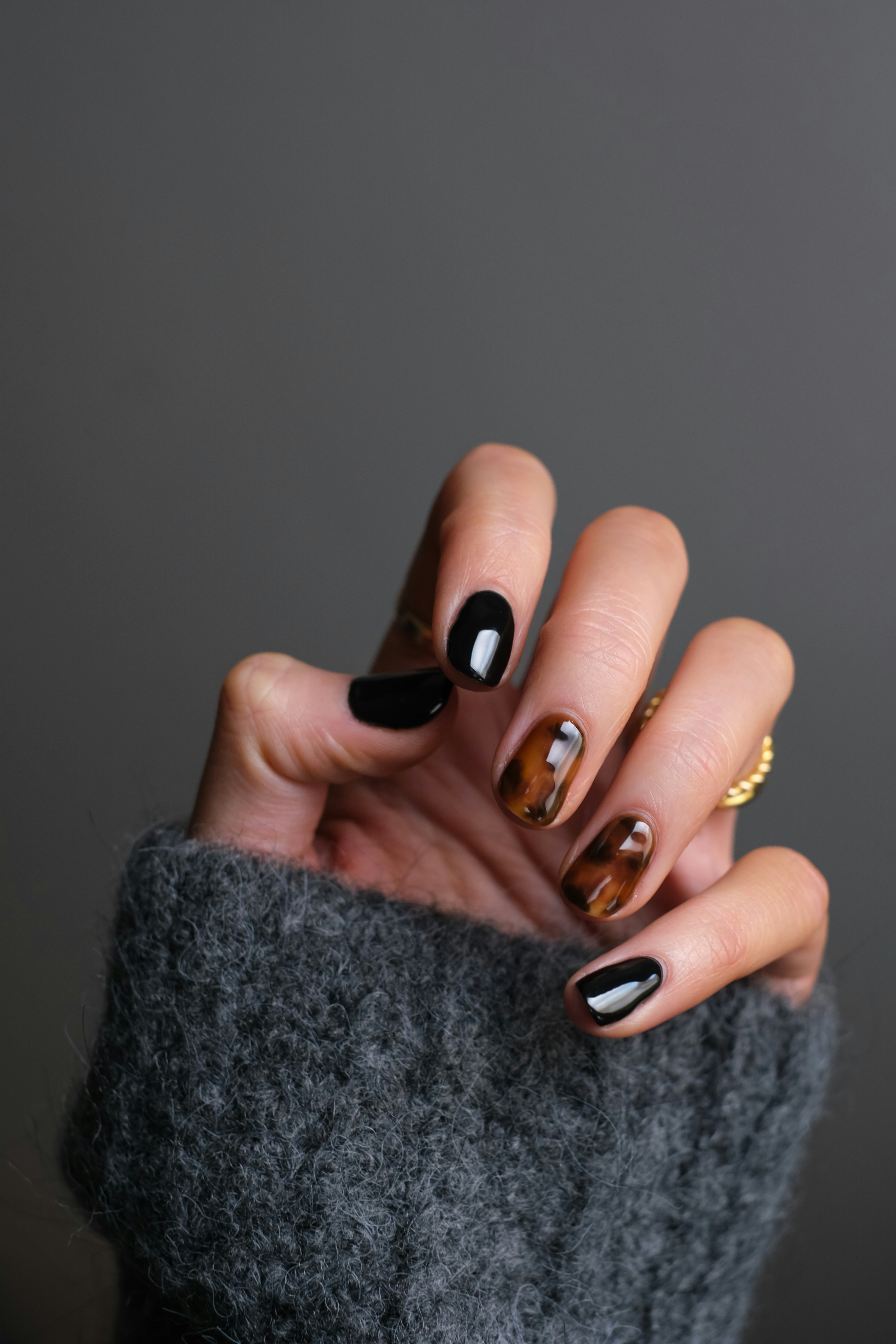
Saturday, February 23, 2013

How to Do Manicure and Pedicure

How to Do Manicure and Pedicure at Home: A Complete Step-by-Step Guide

Taking care of your hands and feet is an important part of personal grooming. A regular manicure and pedicure not only enhance your appearance but also support nail health and hygiene. While many people visit salons for professional treatments, you can achieve beautiful results at home with the right steps and tools.

This guide explains how to do a manicure and pedicure safely and effectively in the comfort of your home.


Benefits of Regular Manicure and Pedicure

Before learning the process, it is helpful to understand why nail care matters. Regular manicure and pedicure sessions help:

  • Keep nails clean and shaped
  • Prevent infections and ingrown nails
  • Remove dead skin cells
  • Improve blood circulation through massage
  • Maintain soft and smooth skin

With consistency, these treatments can keep your hands and feet looking healthy and well-groomed.


Tools You Will Need

To perform a proper manicure and pedicure at home, gather the following tools:

  • Nail clipper
  • Nail file
  • Cuticle pusher
  • Nail buffer
  • Warm water bowl or tub
  • Mild soap or soak solution
  • Towel
  • Moisturizer or hand and foot cream
  • Base coat, nail polish, and top coat (optional)

Step-by-Step Manicure Process

Woman doing manicure at home

Step 1: Remove Old Nail Polish

Start by removing any old nail polish using a gentle remover. This ensures a clean surface for the new polish or treatment.

Step 2: Trim and Shape Your Nails

Use a nail clipper to trim your nails to your desired length. Then shape them with a nail file. File in one direction to prevent splitting.

Step 3: Soak Your Hands

Soak your hands in warm soapy water for about 5 to 10 minutes. This softens the cuticles and makes cleaning easier.

Step 4: Push Back Cuticles

Gently push back the cuticles using a cuticle pusher. Avoid cutting them too deeply, as cuticles protect your nails from bacteria.

Step 5: Buff the Nails

Lightly buff the nail surface to smooth ridges and create a clean base.

Step 6: Moisturize and Massage

Apply a nourishing hand cream and massage gently. This improves circulation and keeps your skin soft.

Step 7: Apply Nail Polish (Optional)

If you choose to apply polish, start with a base coat, followed by two thin layers of color, and finish with a top coat for shine and durability.


Step-by-Step Pedicure Process

Foot soaking in warm water for pedicure

Step 1: Remove Old Polish

Clean your toenails by removing any old nail polish.

Step 2: Soak Your Feet

Fill a tub with warm water and mild soap. Soak your feet for 10 to 15 minutes to soften skin and relax muscles.

Step 3: Exfoliate

Use a foot scrub or pumice stone to remove dead skin, especially around the heels.

Step 4: Trim and Shape Toenails

Trim toenails straight across to prevent ingrown nails. File gently to smooth edges.

Step 5: Care for Cuticles

Gently push back the cuticles after soaking. Avoid aggressive cutting.

Step 6: Moisturize Thoroughly

Apply a rich foot cream and massage your feet. This helps improve circulation and reduces dryness.

Step 7: Apply Nail Polish (Optional)

Apply a base coat, color, and top coat just like with a manicure. Allow proper drying time.


How Often Should You Do It?

A manicure can be done every two to three weeks, while a pedicure is often recommended once a month. Frequency depends on personal preference and nail growth.


Tips for Best Results

  • Always sanitize your tools before and after use.
  • Avoid cutting cuticles too deeply.
  • Allow polish to dry completely to prevent smudging.
  • Use quality nail products for better durability.
  • Keep your hands and feet moisturized daily.

Common Mistakes to Avoid

  • Over-filing nails
  • Skipping base coat
  • Using dirty tools
  • Applying thick layers of nail polish

Being gentle and patient ensures healthier nails and better results.


Final Thoughts

Learning how to do a manicure and pedicure at home can save time and money while keeping your nails healthy and attractive. With simple tools and regular care, you can maintain soft hands, smooth feet, and well-shaped nails.

Consistency is key. By making nail care part of your routine, you can enjoy long-lasting results and improved overall hygiene.

Beauty Tips That Work

Beauty Tips That Work: Simple Habits for Healthy Skin and Hair

Beauty does not have to be complicated or expensive. Many effective beauty tips are based on simple daily habits that improve your skin, hair, and overall appearance over time. Instead of relying on quick fixes, focusing on consistency and healthy routines can deliver long-lasting results.

If you are looking for practical beauty tips that truly work, this guide will help you build a routine that supports natural radiance and confidence.


1. Start with Proper Cleansing

Woman washing her face gently

Cleansing is the foundation of any skincare routine. Washing your face twice daily removes dirt, oil, and environmental pollutants that can clog pores. However, using harsh products may strip your skin of its natural oils.

Choose a gentle cleanser suitable for your skin type and avoid over-washing. Clean skin allows other skincare products to work more effectively.


2. Moisturize Every Day

Moisturizing helps maintain the skin’s natural barrier and prevents dryness. Even if you have oily skin, hydration is still important. Skipping moisturizer can actually cause your skin to produce more oil.

Select a lightweight formula for oily skin and a richer cream for dry skin. Apply moisturizer while your skin is slightly damp for better absorption.


3. Protect Your Skin from the Sun

Applying sunscreen outdoors

Sun protection is one of the most important beauty habits. Daily sunscreen use helps prevent premature aging, uneven skin tone, and sun damage. Even on cloudy days, UV rays can affect your skin.

Apply a broad-spectrum sunscreen every morning as the final step in your skincare routine.


4. Stay Hydrated

Drinking enough water supports healthy circulation and helps maintain a fresh appearance. Dehydrated skin often looks dull and tired. Staying hydrated throughout the day promotes a natural glow.

Try carrying a reusable water bottle to remind yourself to drink water consistently.


5. Maintain a Balanced Diet

Healthy fruits and vegetables for glowing skin

Nutrition plays a key role in beauty. A diet rich in fruits, vegetables, lean proteins, and healthy fats provides essential vitamins and antioxidants that support skin and hair health.

Foods high in vitamin C, vitamin E, and omega-3 fatty acids help maintain elasticity and shine.


6. Get Enough Sleep

Sleep allows your body to repair and regenerate. During deep sleep, collagen production increases, helping maintain skin firmness. Lack of sleep can lead to dark circles and dullness.

Aim for 7 to 9 hours of quality sleep each night and try to maintain a consistent schedule.


7. Keep Your Hair Care Routine Simple

Overusing heat tools and chemical treatments can weaken hair over time. Allow your hair to air-dry occasionally and limit excessive styling. Use conditioner regularly to maintain softness and shine.

Regular trims also help prevent split ends and keep hair looking healthy.


8. Maintain Good Hygiene Habits

Clean makeup brushes, fresh pillowcases, and avoiding frequent face-touching can reduce breakouts. Small hygiene habits protect your skin from bacteria and irritation.


9. Manage Stress

Stress can affect both your skin and overall appearance. High stress levels may trigger breakouts and dullness. Practicing relaxation techniques such as light exercise or deep breathing can support healthy skin.


10. Be Consistent with Your Routine

The most important beauty tip that works is consistency. Results take time. Instead of constantly switching products, stick to a simple routine that suits your skin type.


Final Thoughts

True beauty comes from healthy habits and self-care. You do not need complicated treatments to look your best. By focusing on cleansing, hydration, sun protection, nutrition, and sleep, you can support long-term skin and hair health.

Small daily efforts add up over time. With patience and consistency, these beauty tips that work can help you maintain a natural, confident glow.

Beauty Tips That Work 2

Beauty Tips That Work 2: Simple and Effective Ways to Enhance Your Natural Glow

Beauty does not always require expensive products or complicated routines. In fact, some of the most effective beauty tips are simple, consistent habits that support your skin, hair, and overall wellness. When you focus on healthy routines instead of quick fixes, you create long-lasting results.

In this guide, we explore practical beauty tips that truly work and can easily fit into your daily lifestyle.


1. Stay Hydrated Throughout the Day

Woman drinking water for healthy skin

Hydration plays a major role in maintaining healthy skin. Drinking enough water supports circulation, helps remove toxins, and keeps your skin looking fresh. Dehydration can lead to dryness and dullness.

Try to drink water consistently throughout the day instead of waiting until you feel thirsty. Adding fruits like lemon or cucumber can make hydration more enjoyable.


2. Cleanse Your Skin Gently

Over-cleansing or using harsh products can damage your skin’s natural barrier. Choose a gentle cleanser that suits your skin type and use it twice daily. Washing your face removes dirt, oil, and environmental pollutants that build up during the day.

Always remove makeup before sleeping to allow your skin to breathe and repair overnight.


3. Never Skip Sunscreen

Applying sunscreen outdoors

Sun exposure is one of the main causes of premature aging and uneven skin tone. Applying sunscreen daily helps protect your skin from harmful UV rays. Even on cloudy days, sun protection is important.

Choose a broad-spectrum sunscreen and apply it as the final step in your morning skincare routine.


4. Get Enough Sleep

Quality sleep allows your body to repair and regenerate. During sleep, collagen production increases and stress levels decrease. Consistent rest supports clearer skin, brighter eyes, and healthier hair.

Aim for 7 to 9 hours of sleep per night and maintain a regular bedtime schedule.


5. Eat a Balanced Diet

Healthy balanced diet with fruits and vegetables

What you eat reflects on your skin. A balanced diet rich in fruits, vegetables, healthy fats, and protein provides essential nutrients for skin and hair health.

Foods containing vitamins A, C, and E support skin elasticity and overall radiance. Limiting processed foods may also help maintain clearer skin.


6. Keep Your Hair Care Simple

Frequent heat styling and chemical treatments can weaken hair over time. Allow your hair to air-dry occasionally and use heat tools in moderation. Deep conditioning treatments once a week can help maintain softness and shine.

Regular trims also prevent split ends and keep hair looking healthy.


7. Maintain Proper Hygiene Habits

Changing pillowcases regularly, cleaning makeup brushes, and avoiding touching your face frequently can prevent breakouts. These small hygiene habits protect your skin from bacteria buildup.


8. Practice Stress Management

Stress can impact your skin by triggering breakouts and dullness. Managing stress through light exercise, meditation, or relaxing hobbies supports both mental and physical beauty.


9. Moisturize Daily

Moisturizing helps maintain your skin’s natural barrier. Even oily skin types need hydration. Choose a lightweight formula if your skin tends to be oily and a richer cream if your skin is dry.


10. Be Consistent

The most important beauty tip that truly works is consistency. Quick results are appealing, but long-term habits create lasting improvement. Stick to a routine that suits your skin type and lifestyle.


Final Thoughts

True beauty is a combination of healthy habits, self-care, and confidence. Instead of chasing trends, focus on routines that support your natural features. Small, consistent actions can lead to noticeable improvements over time.

By following these simple and effective beauty tips, you can enhance your natural glow and maintain healthy skin and hair for years to come.

Seven Bedtime Habits That Are Ruining Your Sleep

If you’re having trouble falling asleep, you’re in good company. An estimated 65% of Americans said they encounter sleep problems a few nights each week, according to a recent study by the National Sleep Foundation. Sleeping too little is linked with an increased risk for obesity and depression. But before you reach for a sleep aid from the nearest pharmacy, it’s worth reexamining your nighttime routine. Some of your favorite evening rituals could be responsible for that tossing and turning.

1. Going from Night Owl to Early Bird

Who says bedtime is just for kids? Take extra care to maintain your sleep schedule, especially on the weekends. The body responds to routine. If your bedtime is sporadic—11 pm some nights, 1 a.m. others—your mind won’t be properly prepared to snooze on the weekdays.

2. Going from Night Owl to Early Bird

Who says bedtime is just for kids? Take extra care to maintain your sleep schedule, especially on the weekends. The body responds to routine. If your bedtime is sporadic—11 pm some nights, 1 a.m. others—your mind won’t be properly prepared to snooze on the weekdays.

3. Facebooking into the Wee Hours

The brightness of your computer screen stimulates the brain. Plus, it’s difficult for your mind to stop fretting about your digital to-do list, even once youÂ’ve logged off. Avoid late-night surfing and shut down your computer. Give yourself time to wind down without any electronics.

4. Skimping on a Good Bed

A good mattress will cost you anywhere from $500 to over $3,000. Consider it money well spent. A decent mattress—do your homework!—will give you a more restful sleep. The same is true for quality bedding and pillows. Opt for a soft pillow if you’re a back or stomach sleeper. Buy a firmer pillow if you sleep on your side

5. Setting a Bright Alarm Clock

The looming glare of your alarm clock can be distracting when trying to sleep. The goal is to have as dark a room as possible. Block the bright numbers with a book or consider buying a small travel clock. Your cell phone alarm may also do the trick.

6. Counting Sheep

When you just can’t fall asleep, it’s useless to stay in bed. If you’ve been trying to fall asleep for more than 30 minutes, the National Sleep Foundation suggests doing something mundane, like balancing a checkbook, reading or watching TV. An activity that demands marginal brainpower will lull your mind. Before you know it, you’ll be crawling back into bed genuinely tired.

7. Exercising Late at Night

Daytime workouts will keep you invigorated for hours. ThatÂ’s why you donÂ’t want to exercise within three hours of hitting the sack. Intense physical activity raises your body temperature and pumps your energy level—both interrupt a calm transition into sleep.

Sleeping Beauties

Sleeping Beauties: How Quality Sleep Enhances Your Natural Beauty

The phrase “sleeping beauty” is often used to describe someone who wakes up looking fresh, radiant, and well-rested. While it may sound like a fairy tale concept, there is real science behind the connection between quality sleep and physical appearance. Sleep is not only essential for overall health, but it also plays a major role in maintaining healthy skin, shiny hair, and bright eyes.

In this article, we explore how sleep supports natural beauty, what happens to your body during rest, and practical steps to improve your nighttime routine for better results.


The Science Behind Beauty Sleep

Peaceful bedroom environment at night

During sleep, your body enters repair mode. Skin cells regenerate, collagen production increases, and blood flow improves. This process helps reduce visible signs of fatigue and supports a healthy glow.

When you consistently get enough sleep, your body balances stress hormones and reduces inflammation. On the other hand, sleep deprivation can lead to dull skin, puffiness, and dark under-eye circles.

Experts generally recommend 7 to 9 hours of quality sleep per night for adults. Consistency matters just as much as duration.


How Sleep Affects Your Skin

Your skin is one of the first areas to show signs of poor sleep. Lack of rest may lead to:

  • Dark circles under the eyes
  • Fine lines and early wrinkles
  • Uneven skin tone
  • Dryness and dullness

While you sleep, your body increases blood flow to the skin, helping repair damage from sun exposure and environmental stress. Collagen production during deep sleep also supports firmness and elasticity.

Maintaining a healthy sleep routine can help preserve youthful-looking skin over time.


Hair and Sleep: The Hidden Connection

Woman with healthy shiny hair

Sleep impacts more than just your complexion. Hair growth and strength are also influenced by overall health and rest. During sleep, the body regulates hormones that affect hair follicles.

Chronic stress and insufficient sleep may disrupt the natural hair growth cycle. Quality sleep supports nutrient delivery to hair roots and encourages healthy growth patterns.

Using a silk or satin pillowcase may also reduce friction and minimize hair breakage overnight.


Bright Eyes Start with Proper Rest

Puffy eyes and redness are common signs of sleep deprivation. When you do not get enough rest, blood vessels under the eyes can expand, creating darker shadows.

A consistent sleep schedule allows the body to manage fluid balance more effectively, reducing puffiness. Elevating your head slightly while sleeping may also help minimize fluid buildup.


Creating a Beauty-Boosting Night Routine

Relaxing evening routine with candles

A calming bedtime routine signals your body that it is time to rest. Consider these simple habits:

  • Maintain a consistent sleep schedule.
  • Limit screen time at least 30 minutes before bed.
  • Keep your bedroom cool and dark.
  • Avoid heavy meals late at night.
  • Practice relaxation techniques such as deep breathing.

Creating a peaceful sleep environment enhances both sleep quality and overall well-being.


The Role of Nutrition in Beauty Sleep

What you eat during the day can influence how well you sleep at night. Balanced meals rich in vitamins, minerals, and protein support both restorative sleep and skin health.

Staying hydrated throughout the day prevents dryness and supports healthy circulation. However, try to limit caffeine intake in the evening to avoid sleep disruptions.


Managing Stress for Better Sleep

Stress is one of the biggest barriers to restful sleep. High stress levels may increase cortisol, which can impact skin clarity and overall appearance.

Regular physical activity, journaling, meditation, or light stretching before bed may help calm the mind. Developing healthy coping mechanisms benefits both sleep and beauty.


Common Sleep Mistakes That Affect Appearance

  • Sleeping with makeup on
  • Irregular sleep schedules
  • Using harsh lighting before bed
  • Consuming caffeine late in the day
  • Not washing pillowcases regularly

Small adjustments to these habits can lead to noticeable improvements over time.


Long-Term Benefits of Consistent Sleep

Quality sleep supports healthy aging, balanced mood, stronger immunity, and improved energy levels. When your body functions efficiently, your appearance naturally reflects that balance.

Instead of relying solely on cosmetic products, prioritizing rest can provide a natural foundation for beauty. Sustainable habits offer long-lasting benefits.


Final Thoughts

The idea of “sleeping beauties” is not just a storybook concept. Quality sleep truly supports healthier skin, brighter eyes, and stronger hair. By maintaining a consistent routine, managing stress, and creating a comfortable sleep environment, you allow your body to restore itself naturally.

True beauty begins with overall wellness. Prioritize restful sleep, and you may wake up feeling refreshed, confident, and naturally radiant each day.

Nightmare Hair Scenarios and How to Fix Them

Nightmare Hair Scenarios and How to Fix Them: Practical Solutions for Everyday Hair Problems

We have all experienced at least one hair disaster at the worst possible time. Whether it is frizz before an important event, flat lifeless hair on a busy morning, or unexpected oiliness, hair problems can feel frustrating and difficult to manage. The good news is that most nightmare hair scenarios have simple and practical solutions.

This guide explores common hair emergencies and explains how to fix them quickly while also preventing them in the future.


1. Frizzy and Unmanageable Hair

Woman with frizzy hair outdoors

Frizz is one of the most common hair complaints. It often occurs due to humidity, dryness, or damage to the hair cuticle. When hair lacks moisture, it absorbs humidity from the air, causing strands to swell and appear rough.

Quick Fix:

  • Apply a small amount of lightweight hair serum to smooth flyaways.
  • Use a leave-in conditioner for added moisture.
  • Avoid brushing dry curly or wavy hair aggressively.

Long-Term Prevention:

  • Deep condition once a week.
  • Use a microfiber towel instead of a rough towel.
  • Limit heat styling to prevent dryness.

Hydration is key to controlling frizz effectively.


2. Flat and Lifeless Hair

Hair that looks flat and lacks volume can make your overall appearance feel dull. This problem is often caused by product buildup, heavy conditioners, or naturally fine hair texture.

Quick Fix:

  • Flip your head upside down while blow-drying to create lift.
  • Use a volumizing spray at the roots.
  • Try a dry shampoo for instant texture.

Long-Term Prevention:

  • Use lightweight conditioners.
  • Avoid applying conditioner directly to the roots.
  • Clarify your hair occasionally to remove buildup.

Choosing products designed for volume can make a noticeable difference.


3. Oily Hair Just After Washing

Woman touching oily hair

Some people struggle with hair that becomes greasy only hours after washing. Overactive oil glands or overwashing may contribute to this issue.

Quick Fix:

  • Use dry shampoo to absorb excess oil.
  • Style hair in a loose ponytail or bun to disguise oiliness.
  • Avoid touching your hair frequently.

Long-Term Prevention:

  • Gradually space out washes to train your scalp.
  • Choose a shampoo formulated for oily hair.
  • Rinse thoroughly to prevent residue.

Balancing your scalp’s natural oils helps maintain freshness for longer periods.


4. Split Ends and Breakage

Split ends occur when the protective outer layer of the hair becomes damaged. This often results from heat styling, chemical treatments, or rough handling.

Quick Fix:

  • Trim the damaged ends to prevent further splitting.
  • Apply a nourishing oil to temporarily smooth ends.

Long-Term Prevention:

  • Trim every 6–8 weeks.
  • Use heat protectant before styling tools.
  • Detangle gently with a wide-tooth comb.

Regular trims keep hair looking healthier and more polished.


5. Hair Color Gone Wrong

Woman concerned about hair color

Coloring hair at home can sometimes lead to unexpected results. Whether the shade is too dark or too bright, it can feel stressful.

Quick Fix:

  • Use a clarifying shampoo to slightly fade intense color.
  • Deep condition to restore moisture after coloring.

Professional Advice:

If the color result is significantly different from your expectation, consult a licensed stylist to correct it safely rather than attempting multiple treatments at home.


6. Static Hair in Dry Weather

Static usually happens in cold or dry climates when hair lacks moisture. It causes strands to repel each other and stand out awkwardly.

Quick Fix:

  • Lightly smooth a small amount of hair oil over strands.
  • Use a wooden comb instead of plastic.
  • Apply a leave-in conditioner.

Maintaining moisture levels reduces static significantly.


7. Tangled Hair After Washing

Tangles are common in long, curly, or damaged hair. Brushing wet hair harshly can increase breakage.

Quick Fix:

  • Apply conditioner before detangling.
  • Use a wide-tooth comb starting from the ends upward.
  • Work gently in small sections.

Patience during detangling prevents unnecessary damage.


8. Dry and Brittle Hair

Dry hair lacks natural oils and moisture. Environmental factors, excessive washing, or chemical treatments may contribute to this condition.

Quick Fix:

  • Apply a deep conditioning mask.
  • Use a small amount of natural oil on the ends.

Long-Term Prevention:

  • Reduce heat styling frequency.
  • Switch to sulfate-free shampoos if suitable for your hair type.
  • Hydrate adequately throughout the day.

Consistent moisture care supports smoother and shinier hair.


General Tips for Healthy Hair

  • Eat a balanced diet rich in protein and vitamins.
  • Stay hydrated.
  • Avoid tight hairstyles that strain roots.
  • Protect hair from excessive sun exposure.
  • Manage stress to support overall wellness.

Healthy hair reflects overall lifestyle habits and proper care.


Final Thoughts

Nightmare hair scenarios can feel overwhelming, but most common hair problems have manageable solutions. Whether you are dealing with frizz, oiliness, breakage, or color concerns, the key is understanding the cause and applying appropriate care.

Consistency and gentle handling are essential for long-term hair health. With the right routine and smart fixes, you can turn hair disasters into manageable situations and maintain confident, healthy-looking hair every day.

Get Rid of Dark Under-Eye Circles

Get Rid of Dark Under-Eye Circles: Causes, Treatments, and Prevention Tips

Dark under-eye circles are a common concern for many people. They can make you appear tired, stressed, or older than you actually are. While under-eye discoloration is usually harmless, it can affect confidence and overall appearance. The good news is that understanding the causes and applying the right care routine can significantly reduce their appearance.

This complete guide explains what causes dark under-eye circles, how to reduce them naturally, and how to prevent them long term.


What Causes Dark Under-Eye Circles?

Close up of woman with under eye area visible

Under-eye circles can develop for several reasons. Identifying the main cause helps in choosing the right solution.

  • Lack of Sleep: Insufficient rest can make skin look pale, allowing blood vessels beneath the eyes to become more visible.
  • Genetics: Some individuals naturally have thinner skin under the eyes, making darkness more noticeable.
  • Aging: As we age, skin loses collagen and becomes thinner.
  • Dehydration: Dry skin can make the under-eye area appear dull.
  • Allergies: Nasal congestion may increase blood flow around the eyes, causing discoloration.
  • Excessive Screen Time: Strain on the eyes can cause temporary darkening.

While dark circles are rarely a serious health issue, persistent discoloration should be discussed with a healthcare professional if accompanied by other symptoms.


Natural Ways to Reduce Dark Under-Eye Circles

1. Improve Your Sleep Routine

Quality sleep plays a major role in skin repair. Aim for 7–9 hours of sleep each night. Keeping a consistent bedtime schedule can help improve overall skin appearance.

Elevating your head slightly with an extra pillow may also reduce fluid buildup under the eyes.


2. Stay Hydrated

Dehydration can make the under-eye area appear sunken. Drinking enough water supports healthy circulation and improves skin texture. Aim to drink water consistently throughout the day rather than all at once.


3. Apply Cold Compress

Applying cold compress under eyes

A cold compress may help reduce puffiness and temporarily shrink blood vessels, making dark circles less noticeable.

You can use:

  • Chilled spoons
  • Cotton pads soaked in cold water
  • Cool cucumber slices

Apply gently for a few minutes to see short-term improvement.


4. Use an Eye Cream with Beneficial Ingredients

Look for eye creams containing ingredients such as:

  • Vitamin C (supports brightness)
  • Retinol (encourages collagen production)
  • Hyaluronic acid (hydrates skin)
  • Caffeine (reduces puffiness)

Apply a small amount using your ring finger to avoid applying too much pressure on delicate skin.


5. Protect Your Skin from the Sun

Sun exposure can increase pigmentation under the eyes. Always apply sunscreen to your face and wear sunglasses outdoors. UV protection helps prevent further darkening.


Lifestyle Changes That Help

Healthy lifestyle and relaxation

Reduce Screen Time

Take regular breaks when using digital devices. Follow the 20-20-20 rule: every 20 minutes, look at something 20 feet away for at least 20 seconds.

Manage Stress

Chronic stress may affect sleep quality and skin health. Relaxation techniques like deep breathing, light exercise, or mindfulness practices can support better overall wellness.

Maintain a Balanced Diet

Nutrients such as iron and vitamins C and E support healthy skin. Include leafy greens, citrus fruits, nuts, and whole foods in your meals.


Makeup Tips to Conceal Dark Circles

If you want immediate coverage, makeup can help brighten the under-eye area.

  • Use a lightweight concealer one shade lighter than your skin tone.
  • Apply a small amount and blend gently.
  • Set lightly with powder to prevent creasing.

Color-correcting products may also help neutralize discoloration before applying concealer.


When to Seek Professional Advice

Most dark circles are harmless, but if you notice sudden changes, severe puffiness, or discoloration that does not improve with lifestyle changes, consider consulting a healthcare professional. A proper evaluation ensures there is no underlying medical condition.


Prevention Tips for Long-Term Results

  • Maintain consistent sleep habits.
  • Stay hydrated daily.
  • Use sunscreen regularly.
  • Avoid rubbing your eyes.
  • Follow a gentle skincare routine.

Consistency is key. Quick fixes may provide temporary improvement, but long-term habits offer lasting results.


Final Thoughts

Getting rid of dark under-eye circles requires understanding their cause and applying the right combination of lifestyle changes, skincare, and protection. While complete removal may not always be possible, consistent care can significantly improve appearance.

Healthy skin reflects overall wellness. Prioritize sleep, hydration, balanced nutrition, and gentle skincare to maintain a brighter and more refreshed look.