Looking Into the Causes of Hair Loss
Hair loss is a common concern affecting both men and women across different age groups. While losing 50–100 strands daily is normal, excessive shedding or noticeable thinning can become stressful and emotionally challenging.
Understanding the root causes of hair loss is the first step toward finding the right treatment. Instead of guessing or trying random remedies, let’s explore the real reasons behind hair thinning and what you can do about it.
1. Genetic Factors (Hereditary Hair Loss)

The most common cause of hair loss is genetics. Male pattern baldness and female pattern hair thinning are inherited conditions that develop gradually over time.
If close family members experience early hair thinning, your chances of facing similar issues may increase.
2. Hormonal Changes

Hormonal imbalances can significantly affect hair growth cycles. Common triggers include:
- Pregnancy and postpartum changes
- Thyroid disorders
- Menopause
- Polycystic Ovary Syndrome (PCOS)
When hormones fluctuate, hair may enter the shedding phase prematurely.
3. Nutritional Deficiencies

Your hair needs proper nutrients to grow strong and healthy. Deficiencies in iron, protein, zinc, vitamin D, and biotin can weaken hair follicles and increase shedding.
A balanced diet rich in leafy greens, eggs, nuts, fish, and lean proteins supports healthier hair growth.
4. Stress and Lifestyle Factors

Physical or emotional stress can trigger a condition called telogen effluvium, where hair sheds more than usual. Lack of sleep, poor diet, and smoking can also contribute to hair thinning.
Managing stress through exercise, meditation, and proper rest can help restore normal hair growth cycles.
5. Hair Care Habits and Styling Damage
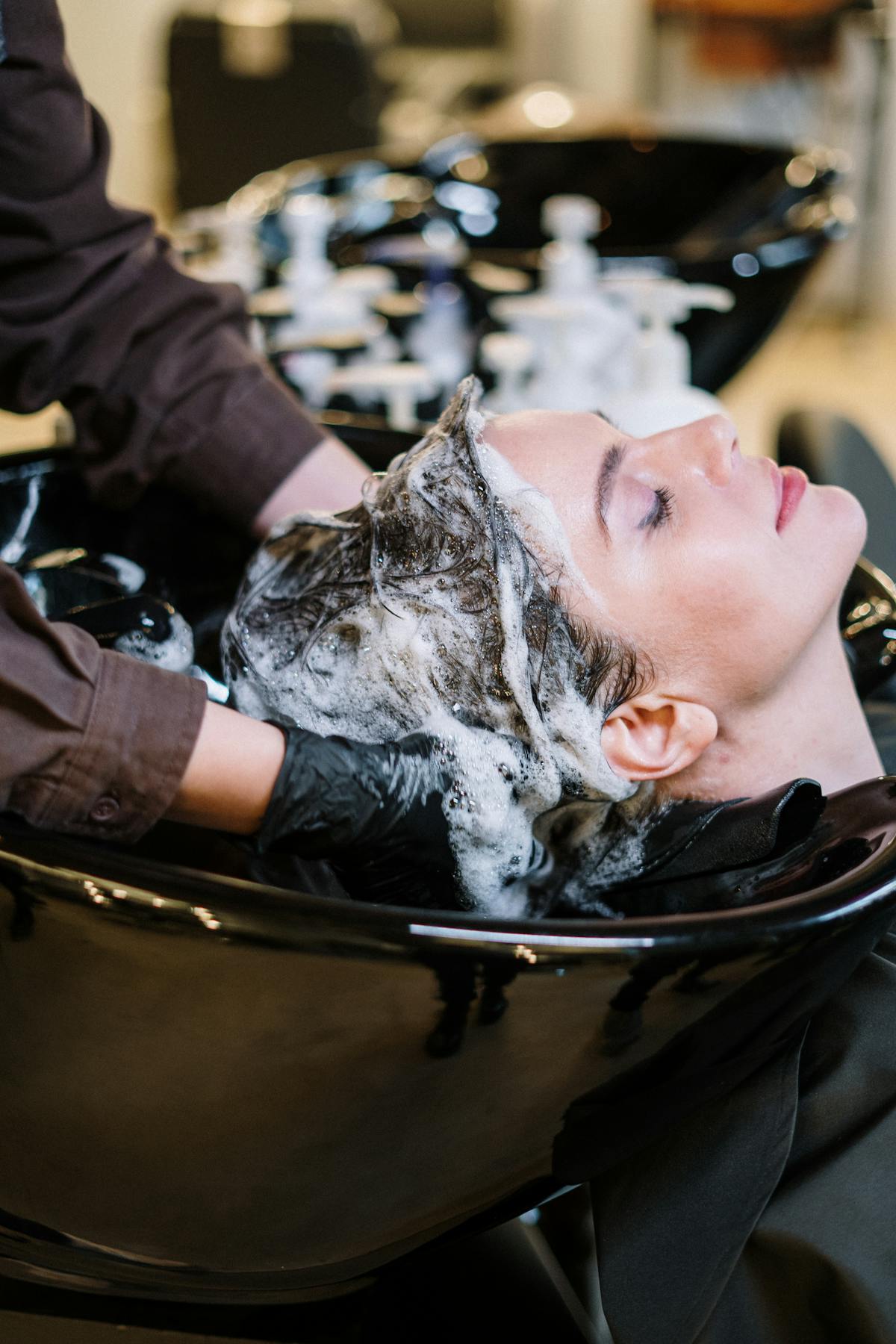
Frequent heat styling, tight hairstyles, chemical treatments, and harsh shampoos can damage hair strands and weaken roots. Over time, this leads to breakage and visible thinning.
Switching to gentle products and reducing heat exposure can prevent further damage.
When Should You See a Doctor?
If hair loss is sudden, severe, or accompanied by itching, redness, or pain, consult a dermatologist. Medical conditions such as autoimmune disorders or scalp infections may require professional treatment.
Final Thoughts
Hair loss can be caused by multiple factors, from genetics and hormones to nutrition and lifestyle habits. Identifying the underlying cause is essential before starting any treatment.
With the right care, healthy diet, stress management, and professional advice when needed, many types of hair loss can be managed effectively.
