Saturday, February 16, 2013

Beauty Tips For Women: How To Achieve That Sexy Look

Beauty Tips For Women: How To Achieve That Confident & Attractive Look

Looking attractive is not about following unrealistic standards or copying someone else’s style. True beauty comes from confidence, self-care, and presenting yourself in a polished and elegant way. When a woman feels confident, it naturally enhances her appearance and presence.

In this guide, we’ll explore practical beauty tips that can help you achieve a confident, radiant, and attractive look — in a classy and healthy way.

1. Start With Healthy Skin
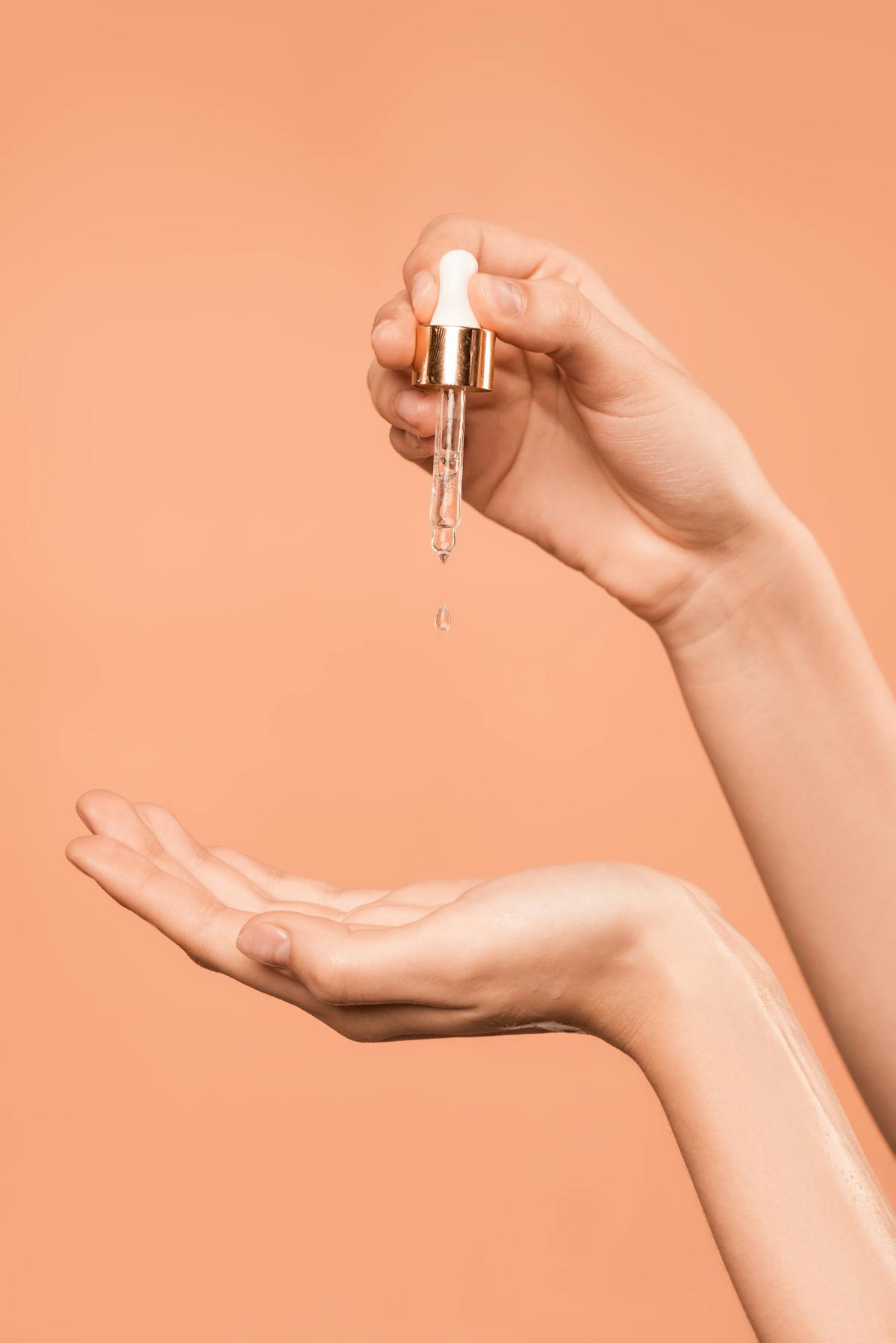
Woman applying skincare cream

Glowing skin is the foundation of any attractive look. Instead of relying heavily on makeup, focus on maintaining healthy skin.

  • Cleanse your face twice daily
  • Use a moisturizer suited to your skin type
  • Apply sunscreen every day
  • Exfoliate gently once or twice a week
  • Stay hydrated

Healthy skin naturally reflects light and creates a fresh, youthful appearance.

2. Enhance Your Natural Features With Makeup

Makeup should enhance your natural beauty, not hide it. A soft, balanced approach often looks more attractive than heavy layers of products.

Focus on:

  • Even skin tone with light foundation or BB cream
  • Defined brows
  • Subtle highlighter for glow
  • Neutral or bold lipstick depending on the occasion
  • Mascara to open up the eyes

The goal is to look polished and confident rather than overdone.

3. Maintain Healthy, Shiny Hair
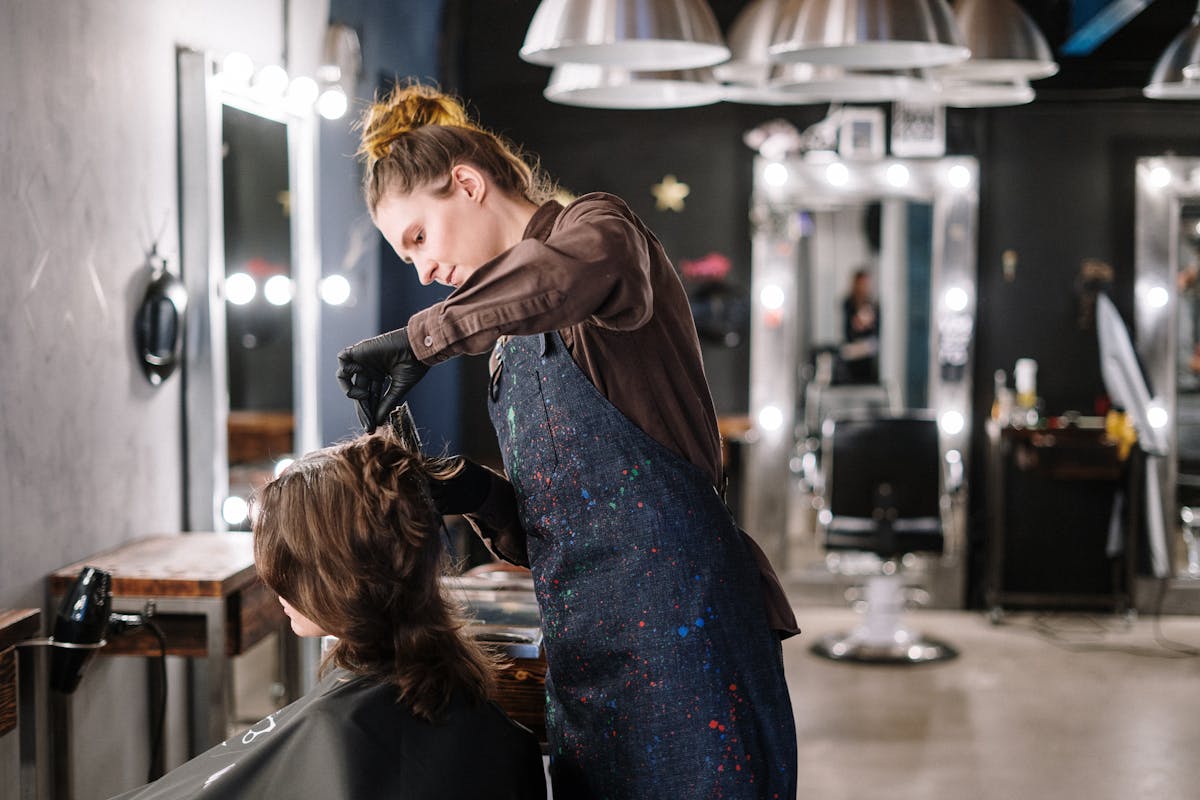
Healthy shiny hair

Hair plays a major role in overall attractiveness. Shiny, well-maintained hair instantly elevates your look.

  • Use sulfate-free shampoo
  • Deep condition weekly
  • Avoid excessive heat styling
  • Trim split ends regularly
  • Apply lightweight hair serum for shine

A simple, clean hairstyle often looks more elegant than overly complicated styles.

4. Dress Smart and Fit Your Body Shape

Confidence increases when clothes fit well and complement your body shape. You don’t need expensive outfits — just well-fitted, clean, and coordinated clothing.

Tips for a polished appearance:

  • Choose clothes that flatter your silhouette
  • Wear colors that complement your skin tone
  • Keep outfits neat and wrinkle-free
  • Invest in basic wardrobe essentials

When you feel comfortable in what you wear, it shows.

5. Focus on Body Language

Confident woman smiling

Attractiveness is not only physical — it is also about how you carry yourself. Positive body language makes a strong impression.

  • Maintain good posture
  • Smile naturally
  • Make eye contact
  • Walk confidently

A confident presence can make a bigger impact than any beauty product.

6. Maintain Personal Hygiene

Cleanliness and grooming are essential. Simple habits can significantly improve your overall appearance:

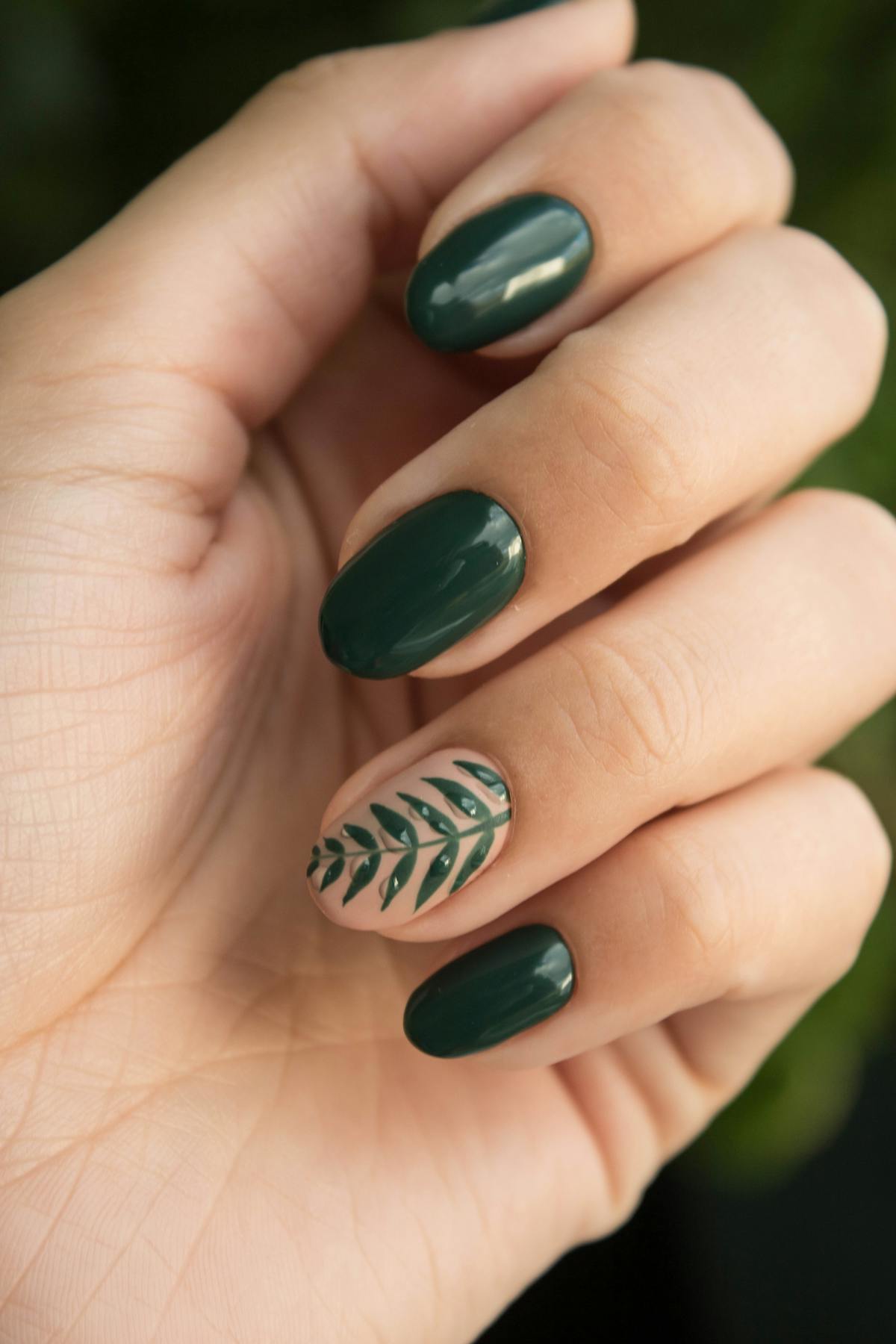
  • Keep nails clean and well-shaped
  • Maintain fresh breath
  • Wear light, pleasant fragrance
  • Take care of oral hygiene

Good hygiene reflects self-respect and attention to detail.

7. Stay Physically Active

Regular exercise improves circulation, posture, and energy levels. Physical activity contributes to healthy skin, toned muscles, and better confidence.

You don’t need intense workouts — even regular walking, yoga, or light strength training can make a visible difference over time.

8. Confidence Is the Real Secret

The most attractive quality a woman can have is confidence. When you feel good about yourself, it shows in your expressions, posture, and overall energy.

Self-care, positive mindset, and personal growth all contribute to long-term attractiveness.

Final Thoughts

Achieving an attractive look is not about perfection — it’s about balance, health, and confidence. Focus on skincare, healthy hair, smart styling, and positive body language.

Remember, true beauty is about enhancing who you already are. When you take care of yourself and feel confident, your natural glow becomes your most powerful feature.


Celebrity Beauty Tips: How Do They Do They Look Shiny?q

Celebrity Beauty Tips: How Do They Look So Shiny?

Have you ever wondered how celebrities always seem to have glowing skin, shiny hair, and a flawless appearance? Whether on the red carpet, in interviews, or on social media, they appear polished and radiant at all times. While professional lighting and makeup play a role, there is much more behind their shine than just filters and editing.

In this article, we explore the realistic beauty habits, skincare routines, and lifestyle practices that help celebrities maintain their radiant look.

1. Consistent Skincare Routine

Woman applying skincare product

One of the biggest secrets behind glowing celebrity skin is consistency. Most celebrities follow a structured skincare routine daily. This usually includes:

  • Gentle cleansing (morning and night)
  • Hydrating toner
  • Vitamin C serum
  • Moisturizer suited to skin type
  • Daily sunscreen

Skincare experts often emphasize that regular maintenance is more important than expensive products. Healthy skin reflects light better, creating that natural shine.

2. Professional Treatments

Many celebrities invest in professional treatments such as facials, chemical peels, or laser procedures performed by licensed professionals. These treatments are typically done under expert supervision and tailored to individual skin needs.

However, these treatments are optional and not necessary for everyone. A basic, well-maintained skincare routine can also produce noticeable improvements over time.

3. Hydration Is Key

Woman drinking water for healthy skin

Drinking enough water plays an important role in maintaining skin elasticity and glow. Celebrities often mention hydration as a major beauty habit. Proper hydration supports:

  • Clearer skin appearance
  • Reduced dryness
  • Better skin texture
  • Healthy hair shine

In addition to drinking water, using hydrating skincare products helps maintain moisture balance.

4. Healthy Diet and Nutrition

What you eat directly affects your skin and hair. Many celebrities work with nutritionists to maintain balanced diets rich in:

  • Fresh fruits and vegetables
  • Lean proteins
  • Healthy fats
  • Omega-3 fatty acids
  • Antioxidant-rich foods

Foods rich in vitamins and minerals support collagen production and protect the skin from environmental damage. A nutritious diet contributes to that long-lasting glow.

5. Hair Care Routine for Shine

Shiny healthy hair

Shiny hair is another key part of the celebrity look. Behind the scenes, professional hairstylists focus on maintaining hair health rather than only styling.

Common hair care habits include:

  • Using sulfate-free shampoos
  • Regular deep conditioning treatments
  • Limiting heat styling
  • Applying lightweight hair oils or serums
  • Regular trims to prevent split ends

Healthy hair reflects light better, which creates a natural glossy appearance.

6. Quality Makeup Application

Professional makeup artists use techniques that enhance natural features without making the skin look heavy. Highlighter, dewy foundation, and proper blending techniques create a luminous finish.

Good lighting also makes a significant difference. Many red carpet photos are taken under professional lighting that enhances shine and smoothness.

7. Rest and Stress Management

Sleep is one of the most underrated beauty secrets. Celebrities often prioritize rest, as proper sleep allows the skin to repair and regenerate.

Stress management through meditation, exercise, or relaxation techniques also contributes to clearer skin and better overall appearance.

8. Professional Styling and Lighting

Professional studio lighting

It is important to remember that celebrity photos often involve professional photographers, studio lighting, and editing. Proper lighting can enhance shine and smooth out imperfections.

This does not mean their beauty is artificial — but it does mean that presentation plays a role in how their shine appears on camera.

Final Thoughts

Celebrity shine is not just about expensive products or secret formulas. It is usually the result of consistent skincare, healthy lifestyle habits, professional guidance, and proper presentation.

You do not need a celebrity budget to achieve healthy-looking skin and hair. By focusing on hydration, nutrition, gentle skincare, and regular self-care, you can enhance your natural glow safely and effectively.

Remember, true beauty comes from maintaining healthy habits and feeling confident in your own skin.

Cosmetic Surgery Reviews

Cosmetic Surgery Reviews: What You Should Know Before Making a Decision

Cosmetic surgery has become increasingly popular over the past decade. With advancements in medical technology and growing awareness about personal appearance, many individuals consider cosmetic procedures to enhance their confidence and achieve their aesthetic goals.

However, before making any decision, it is essential to understand what cosmetic surgery involves, what real reviews reveal, and how to evaluate information responsibly. This article provides a balanced and educational overview to help readers make informed choices.

What Is Cosmetic Surgery?

Medical consultation in clinic

Cosmetic surgery refers to medical procedures designed to improve or alter a person's physical appearance. These procedures may focus on the face, body, or skin. Unlike reconstructive surgery, which is performed to correct medical issues, cosmetic procedures are typically elective and chosen for aesthetic reasons.

Common types of cosmetic procedures include:

  • Rhinoplasty (nose reshaping)
  • Liposuction
  • Breast augmentation
  • Facelift
  • Botox and dermal fillers
  • Skin resurfacing treatments

Each procedure has its own benefits, risks, recovery time, and cost considerations.

Why Cosmetic Surgery Reviews Matter

Online reviews play a significant role in helping people research clinics, surgeons, and procedures. However, it is important to read reviews carefully and critically.

Reviews can provide insight into:

  • Patient satisfaction levels
  • Clinic professionalism
  • Surgeon experience
  • Recovery experiences
  • Customer service quality

That said, reviews are personal experiences and may vary widely from one individual to another. What works well for one person may not produce the same results for someone else.

Common Themes Found in Cosmetic Surgery Reviews

Patient consultation discussion

1. Importance of Choosing a Qualified Surgeon

Many positive reviews highlight the importance of selecting a board-certified and experienced surgeon. Patients often mention feeling more comfortable when the surgeon clearly explains the procedure, risks, and expected outcomes.

2. Realistic Expectations

Satisfied patients usually report that their expectations were realistic and aligned with professional medical advice. Unrealistic expectations can lead to disappointment, even if the surgery itself is successful.

3. Recovery Experience

Recovery time varies depending on the procedure. Reviews often discuss swelling, temporary discomfort, and the need to follow aftercare instructions carefully. Proper post-surgery care is frequently mentioned as a key factor in overall satisfaction.

4. Communication and Support

Patients appreciate clinics that provide clear communication before and after surgery. Follow-up appointments and accessible support services are commonly mentioned in positive reviews.

Understanding the Risks

Cosmetic surgery, like any medical procedure, carries potential risks. Reviews sometimes mention complications such as:

  • Infection
  • Scarring
  • Swelling or bruising
  • Unsatisfactory aesthetic outcome
  • Longer recovery time than expected

It is important to discuss potential risks openly with a qualified healthcare professional before deciding on any procedure.

How to Evaluate Cosmetic Surgery Reviews Properly

Person reading reviews on laptop

When reading online reviews, consider the following tips:

  • Look for detailed experiences rather than overly emotional statements.
  • Check multiple platforms for consistent feedback.
  • Be cautious of reviews that promise “perfect” or “instant” results.
  • Verify the surgeon’s qualifications independently.
  • Schedule a consultation to ask direct questions.

Remember, online reviews should support your research, not replace professional medical advice.

Questions to Ask During a Consultation

  • Are you board-certified in cosmetic or plastic surgery?
  • How many times have you performed this procedure?
  • What are the possible risks and complications?
  • What does the recovery process involve?
  • What realistic results can I expect?

Open communication with a licensed professional helps you make a safe and informed decision.

Cost Considerations

Cosmetic surgery costs vary depending on the procedure, clinic location, surgeon expertise, and facility fees. Reviews often mention that choosing the cheapest option is not always the safest approach.

Instead of focusing only on price, prioritize safety, qualifications, and transparency.

Final Thoughts

Cosmetic surgery reviews can provide valuable insight, but they should be approached thoughtfully. Every individual’s body, expectations, and recovery experience are unique. What matters most is making an informed decision based on professional consultation, verified credentials, and realistic goals.

If you are considering cosmetic surgery, take your time researching, schedule consultations with qualified professionals, and ensure you fully understand both the benefits and potential risks before proceeding.

Making a well-informed choice is the most important step toward achieving results that align with your expectations and personal well-being.

Wednesday, April 20, 2011

Reasons of Hair Loss

Reasons of Hair Loss

Hair loss is one of the most common concerns affecting both men and women worldwide. While losing 50–100 hairs per day is completely normal, excessive shedding, visible thinning, or bald patches can be stressful and emotionally challenging. The good news is that hair loss usually has clear causes — and once you understand the reason, you can take the right steps to manage it effectively.

In this article, we will explore the major reasons for hair loss, how to recognize them, and what you can do to improve your hair health naturally.

1. Genetics (Androgenetic Alopecia)

Hair thinning in men and women

The most common cause of hair loss is genetics. This condition is known as androgenetic alopecia, commonly referred to as male pattern baldness or female pattern hair loss.

If your parents or grandparents experienced thinning hair, there is a higher chance you may develop it too.

  • Receding hairline (men)
  • Thinning at the crown
  • Widening hair part (women)
  • Gradual overall thinning

Genetic hair loss usually develops slowly over time and may begin in your 20s or 30s.

2. Hormonal Imbalance

Woman concerned about hair loss

Hormones play a major role in hair growth. When hormones fluctuate, hair shedding may increase significantly.

Common hormonal causes include:

  • Pregnancy
  • Childbirth
  • Menopause
  • Polycystic Ovary Syndrome (PCOS)
  • Thyroid disorders

After pregnancy, many women experience temporary hair shedding due to sudden hormonal changes. Thyroid problems can also lead to dry, brittle hair and increased hair fall.

3. Stress and Emotional Trauma

Severe emotional stress, illness, surgery, or trauma can push hair follicles into a resting phase. This condition is known as telogen effluvium.

  • Job pressure
  • Anxiety or depression
  • Major illness
  • Sudden weight loss
  • Surgery

Hair loss from stress usually appears 2–3 months after the stressful event. The positive side is that it is often temporary if stress levels are managed properly.

4. Poor Nutrition

Healthy foods for hair growth

Your hair needs proper nutrients to grow strong and healthy. Nutritional deficiencies can weaken hair follicles and slow down growth.

Important nutrients for hair health include:

  • Protein
  • Iron
  • Zinc
  • Vitamin D
  • Biotin
  • Vitamin B12

Low iron levels are especially common in women and can cause noticeable hair shedding. Crash dieting or extremely low-calorie diets can also trigger sudden hair fall.

5. Excessive Heat and Chemical Treatments

Frequent styling with straighteners, curling irons, blow dryers, or chemical treatments can weaken hair structure and cause breakage.

Although this type of damage does not always affect the hair root, it makes hair appear thinner and unhealthy. Tight hairstyles such as ponytails or braids may also cause traction alopecia due to constant pulling on the hair roots.

6. Scalp Conditions

An unhealthy scalp can disrupt hair growth and lead to shedding. Common scalp-related causes include:

  • Dandruff
  • Fungal infections
  • Seborrheic dermatitis
  • Psoriasis

If you experience itching, redness, flaking, or scalp irritation along with hair loss, treating the scalp condition is essential.

7. Medical Conditions and Medications

Certain medical conditions may cause hair thinning, including autoimmune diseases, diabetes, lupus, and alopecia areata.

Some medications can also trigger hair loss, such as:

  • Chemotherapy drugs
  • Blood pressure medications
  • Antidepressants
  • Blood thinners

If hair loss begins after starting a new medication, consult your doctor immediately.

8. Aging

As we age, hair growth naturally slows down. Hair strands become thinner, and some follicles stop producing new hair. This is a normal biological process that happens gradually over time.

How to Reduce Hair Loss

  • Maintain a balanced diet rich in protein and iron
  • Reduce stress through exercise or meditation
  • Avoid excessive heat styling
  • Use mild, sulfate-free shampoos
  • Treat dandruff and scalp issues early
  • Avoid tight hairstyles
  • Get medical tests if hair fall is severe

If hair loss continues for several months or worsens rapidly, consult a dermatologist for professional evaluation.

Final Thoughts

Hair loss can feel overwhelming, but understanding the root cause is the first step toward finding a solution. In many cases, hair fall is temporary and manageable with proper care, improved nutrition, and stress control.

Taking early action and maintaining a healthy lifestyle can make a significant difference in protecting your hair and boosting your confidence.

Thursday, February 17, 2011

Summer Skincare

Summer Skincare: Your Complete Guide to Healthy, Glowing Skin

Summer brings sunshine, beach days, and outdoor fun — but it also brings heat, humidity, sweat, and increased sun exposure. Without proper care, your skin can become oily, dehydrated, irritated, or sun-damaged.

A well-planned summer skincare routine helps protect your skin barrier, prevent breakouts, reduce tanning, and maintain a natural healthy glow. In this guide, we’ll explore everything you need to know about taking care of your skin during the hot season.

Why Summer Skincare Is Different

During summer, your skin behaves differently because:

  • Oil production increases due to heat
  • Sweating can clog pores
  • Sun exposure increases risk of tanning and pigmentation
  • Dehydration can make skin look dull

This means your winter skincare routine may not work the same way in summer.

1. Start With a Gentle Cleanser

Cleansing removes sweat, excess oil, dirt, and sunscreen buildup. Choose a lightweight, gel-based or foaming cleanser if you have oily or combination skin.

For dry or sensitive skin, use a mild, hydrating cleanser that won’t strip natural moisture.

Wash your face twice daily — once in the morning and once before bed.

2. Never Skip Sunscreen

Sunscreen is the most important step in summer skincare. UV rays can cause premature aging, pigmentation, sunburn, and long-term skin damage.

Choose a broad-spectrum sunscreen with SPF 30 or higher and apply it 15–20 minutes before sun exposure. Reapply every 2–3 hours if you are outdoors.

3. Keep Your Skin Hydrated

Even if your skin feels oily, it still needs hydration. Use a lightweight, oil-free moisturizer to maintain balance.

Drinking plenty of water also helps maintain skin elasticity and prevents dryness caused by heat.

4. Add Antioxidants to Your Routine

Vitamin C serums and antioxidant-rich products help protect your skin from environmental stress and sun damage. They also promote a brighter complexion.

Apply antioxidant serums in the morning before sunscreen for best results.

5. Exfoliate — But Don’t Overdo It

Exfoliation removes dead skin cells and prevents clogged pores. However, excessive exfoliation can irritate sun-exposed skin.

Limit exfoliation to 1–2 times per week using a gentle scrub or mild chemical exfoliant.

6. Adjust Your Makeup Routine

Heavy foundation can clog pores during hot weather. Switch to lightweight, breathable products like tinted moisturizers or BB creams.

Always remove makeup before sleeping to avoid breakouts.

7. Protect Your Skin From Within

Healthy skin starts with healthy habits:

  • Drink at least 8–10 glasses of water daily
  • Eat fruits rich in water like watermelon and cucumber
  • Include antioxidants in your diet
  • Avoid excessive sugary or oily foods

Common Summer Skin Problems

Some common concerns during summer include:

  • Acne and breakouts
  • Sunburn
  • Tanning and pigmentation
  • Heat rashes
  • Dehydrated dull skin

A consistent skincare routine helps minimize these issues.

Final Thoughts

Summer skincare is all about protection, hydration, and balance. By adjusting your routine to suit warmer weather, you can maintain healthy, glowing skin throughout the season.

Focus on gentle cleansing, daily sunscreen use, lightweight hydration, and proper nutrition. Small changes can make a big difference in how your skin looks and feels during summer.

Sunday, February 13, 2011

Some Research on your Nail Care Practices

Some Research on Your Nail Care Practices

Nail care is often overlooked in daily beauty routines, yet it plays a vital role in maintaining both hygiene and appearance. Healthy nails are not only a sign of good grooming but also reflect your overall health.

Whether you prefer natural nails or regular manicures, understanding proper nail care practices can prevent breakage, infections, and long-term damage.

Why Nail Care Matters

Your nails protect the sensitive tips of your fingers and toes. Neglecting them can lead to:

  • Brittle or peeling nails
  • Fungal infections
  • Painful hangnails
  • Discoloration

Proper maintenance ensures your nails stay strong, smooth, and attractive.

1. Keep Nails Clean and Dry

Keeping your nails clean prevents bacteria buildup. After washing your hands, make sure to dry them properly to avoid fungal growth.

Avoid prolonged exposure to water, and wear gloves while washing dishes or using cleaning products.

2. Trim and File Regularly

Trimming your nails regularly prevents splitting and snagging. Use clean nail clippers and file in one direction to avoid weakening the nail structure.

Avoid cutting cuticles, as they protect against infection. Instead, gently push them back after softening.

3. Moisturize Your Nails and Cuticles

Just like your skin, your nails need hydration. Applying cuticle oil or hand cream daily helps prevent dryness and cracking.

Look for products containing Vitamin E, almond oil, or jojoba oil for extra nourishment.

4. Limit Harsh Chemicals

Frequent use of acetone-based removers and strong nail products can weaken nails over time. Give your nails occasional breaks from polish to allow them to breathe and recover.

5. Maintain a Healthy Diet

Strong nails start from within. A balanced diet rich in protein, biotin, iron, and omega-3 fatty acids supports nail strength and growth.

  • Eggs and dairy products
  • Nuts and seeds
  • Leafy green vegetables
  • Fish and lean meats

Signs You Should See a Professional

If you notice persistent discoloration, thickening, severe brittleness, or pain around your nails, consult a healthcare professional. These could be signs of fungal infection or underlying health conditions.

Final Thoughts

Healthy nails are the result of consistent care and smart habits. Simple steps like cleaning, moisturizing, trimming, and eating a balanced diet can make a noticeable difference.

By improving your nail care practices, you not only enhance your appearance but also protect your overall nail health for the long term.

Saturday, February 12, 2011

You can Forget about Worrying about Stretch Marks

You Can Forget About Worrying About Stretch Marks

Stretch marks are completely normal. They appear on the stomach, thighs, hips, arms, and even the lower back. While many people feel insecure about them, the truth is that stretch marks are a natural part of skin changes.

The good news? With proper care, you can significantly reduce their appearance and stop worrying about them altogether.

What Causes Stretch Marks?

Stretch marks form when the skin stretches quickly due to:

  • Pregnancy
  • Rapid weight gain or loss
  • Growth spurts during puberty
  • Muscle building
  • Hormonal changes

When skin stretches rapidly, collagen and elastin fibers break, leaving behind visible lines that may appear red, purple, or white over time.

Can Stretch Marks Be Removed Completely?

Stretch marks cannot be removed 100%, but they can fade significantly. With consistent care, their color lightens and texture improves, making them much less noticeable.

1. Keep Your Skin Deeply Moisturized

Hydrated skin is more elastic and resilient. Use body lotions or creams containing ingredients like:

  • Shea butter
  • Cocoa butter
  • Hyaluronic acid
  • Vitamin E
  • Collagen-boosting formulas

Apply moisturizer twice daily and massage gently into affected areas to improve circulation.

2. Use Retinol or Vitamin C (If Suitable)

Retinol helps boost collagen production, while Vitamin C improves skin tone and brightness. These ingredients can help fade newer stretch marks over time.

Note: Pregnant women should consult a doctor before using retinol products.

3. Maintain a Healthy Lifestyle

Healthy skin starts from within. Support your skin by:

  • Drinking plenty of water
  • Eating protein-rich foods
  • Including Vitamin C and zinc in your diet
  • Avoiding rapid weight fluctuations

Stable body weight helps prevent new stretch marks from forming.

4. Professional Treatments

For more noticeable results, dermatologists may recommend:

  • Laser therapy
  • Microneedling
  • Chemical peels
  • Radiofrequency treatments

These treatments stimulate collagen production and improve skin texture.

Confidence Is Key

Stretch marks are incredibly common — models, athletes, mothers, and teenagers all experience them. They are not flaws; they are signs of growth and change.

Instead of hiding your skin, focus on caring for it. With proper treatment, healthy habits, and self-confidence, you can forget about worrying about stretch marks and feel comfortable in your own skin.

Final Thoughts

While stretch marks may not disappear overnight, consistent skincare and a balanced lifestyle can greatly improve their appearance. Patience and self-care are the real secrets to smoother, healthier-looking skin.