Thursday, February 17, 2011

Summer Skincare

Summer Skincare: Your Complete Guide to Healthy, Glowing Skin

Summer brings sunshine, beach days, and outdoor fun — but it also brings heat, humidity, sweat, and increased sun exposure. Without proper care, your skin can become oily, dehydrated, irritated, or sun-damaged.

A well-planned summer skincare routine helps protect your skin barrier, prevent breakouts, reduce tanning, and maintain a natural healthy glow. In this guide, we’ll explore everything you need to know about taking care of your skin during the hot season.

Why Summer Skincare Is Different
During summer, your skin behaves differently because:

  • Oil production increases due to heat
  • Sweating can clog pores
  • Sun exposure increases risk of tanning and pigmentation
  • Dehydration can make skin look dull

This means your winter skincare routine may not work the same way in summer.

1. Start With a Gentle Cleanser

Cleansing removes sweat, excess oil, dirt, and sunscreen buildup. Choose a lightweight, gel-based or foaming cleanser if you have oily or combination skin.

For dry or sensitive skin, use a mild, hydrating cleanser that won’t strip natural moisture.

Wash your face twice daily — once in the morning and once before bed.

2. Never Skip Sunscreen

Sunscreen is the most important step in summer skincare. UV rays can cause premature aging, pigmentation, sunburn, and long-term skin damage.

Choose a broad-spectrum sunscreen with SPF 30 or higher and apply it 15–20 minutes before sun exposure. Reapply every 2–3 hours if you are outdoors.

3. Keep Your Skin Hydrated

Even if your skin feels oily, it still needs hydration. Use a lightweight, oil-free moisturizer to maintain balance.

Drinking plenty of water also helps maintain skin elasticity and prevents dryness caused by heat.

4. Add Antioxidants to Your Routine
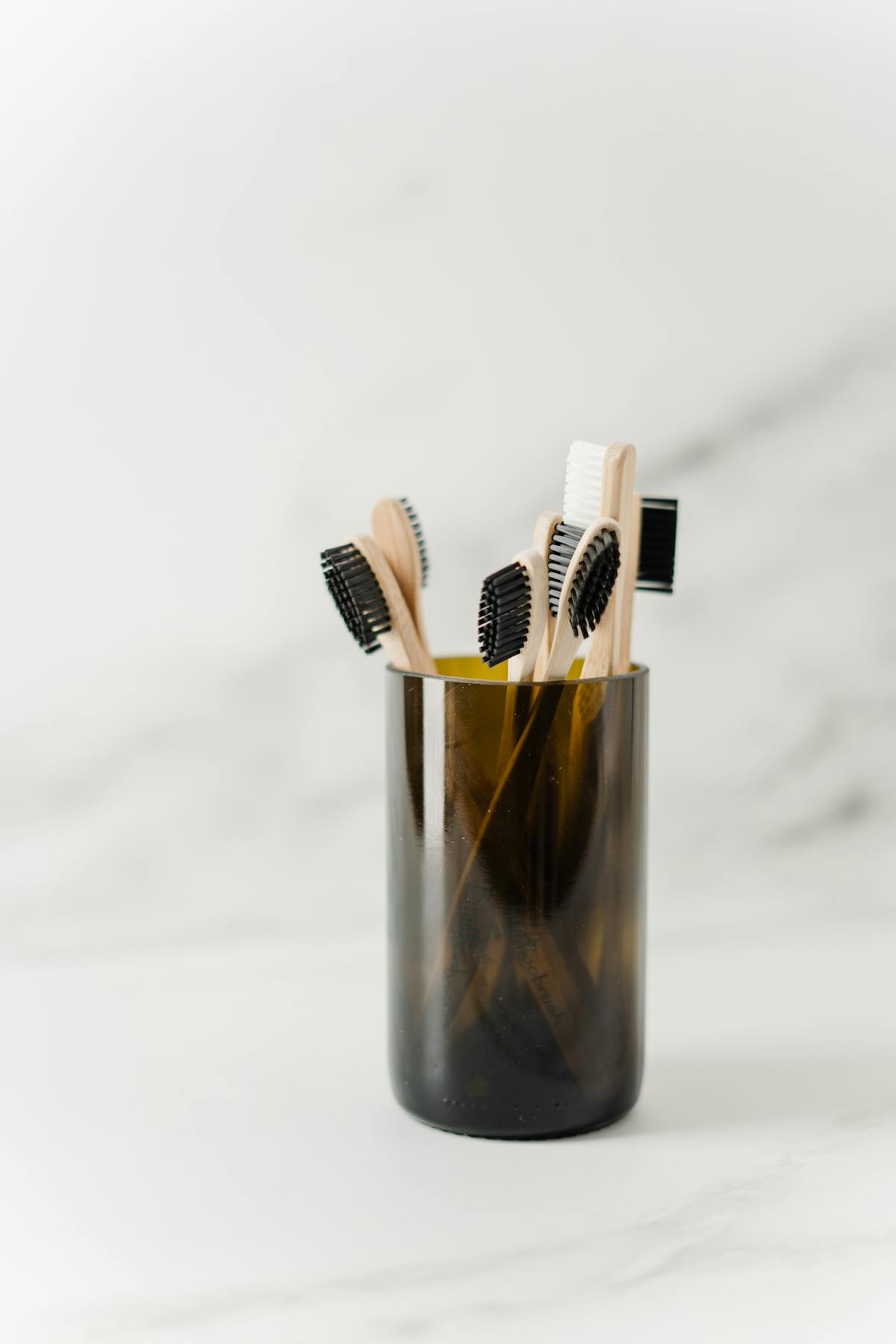
Vitamin C serums and antioxidant-rich products help protect your skin from environmental stress and sun damage. They also promote a brighter complexion.

Apply antioxidant serums in the morning before sunscreen for best results.

5. Exfoliate — But Don’t Overdo It

Exfoliation removes dead skin cells and prevents clogged pores. However, excessive exfoliation can irritate sun-exposed skin.

Limit exfoliation to 1–2 times per week using a gentle scrub or mild chemical exfoliant.

6. Adjust Your Makeup Routine
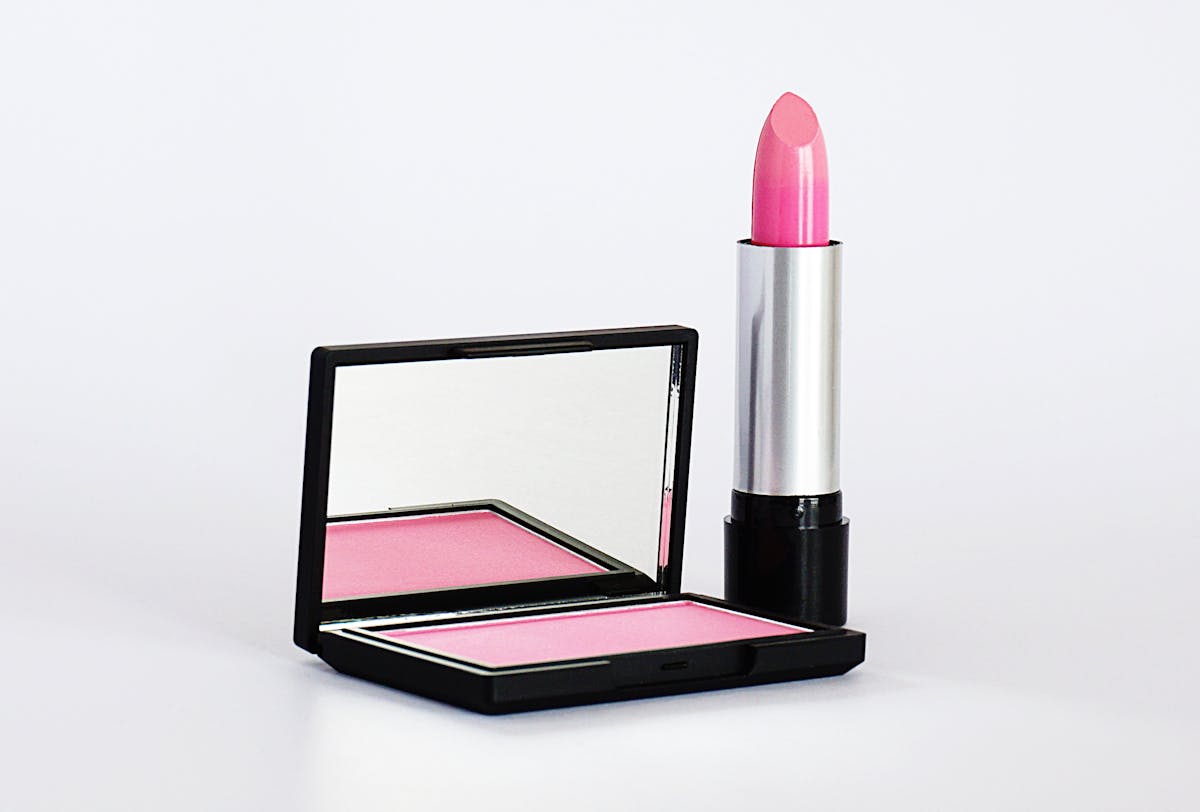
Heavy foundation can clog pores during hot weather. Switch to lightweight, breathable products like tinted moisturizers or BB creams.

Always remove makeup before sleeping to avoid breakouts.

7. Protect Your Skin From Within

Healthy skin starts with healthy habits:

  • Drink at least 8–10 glasses of water daily
  • Eat fruits rich in water like watermelon and cucumber
  • Include antioxidants in your diet
  • Avoid excessive sugary or oily foods

Common Summer Skin Problems

Some common concerns during summer include:

  • Acne and breakouts
  • Sunburn
  • Tanning and pigmentation
  • Heat rashes
  • Dehydrated dull skin

A consistent skincare routine helps minimize these issues.

Final Thoughts

Summer skincare is all about protection, hydration, and balance. By adjusting your routine to suit warmer weather, you can maintain healthy, glowing skin throughout the season.

Focus on gentle cleansing, daily sunscreen use, lightweight hydration, and proper nutrition. Small changes can make a big difference in how your skin looks and feels during summer.

Sunday, February 13, 2011

Some Research on your Nail Care Practices

Some Research on Your Nail Care Practices

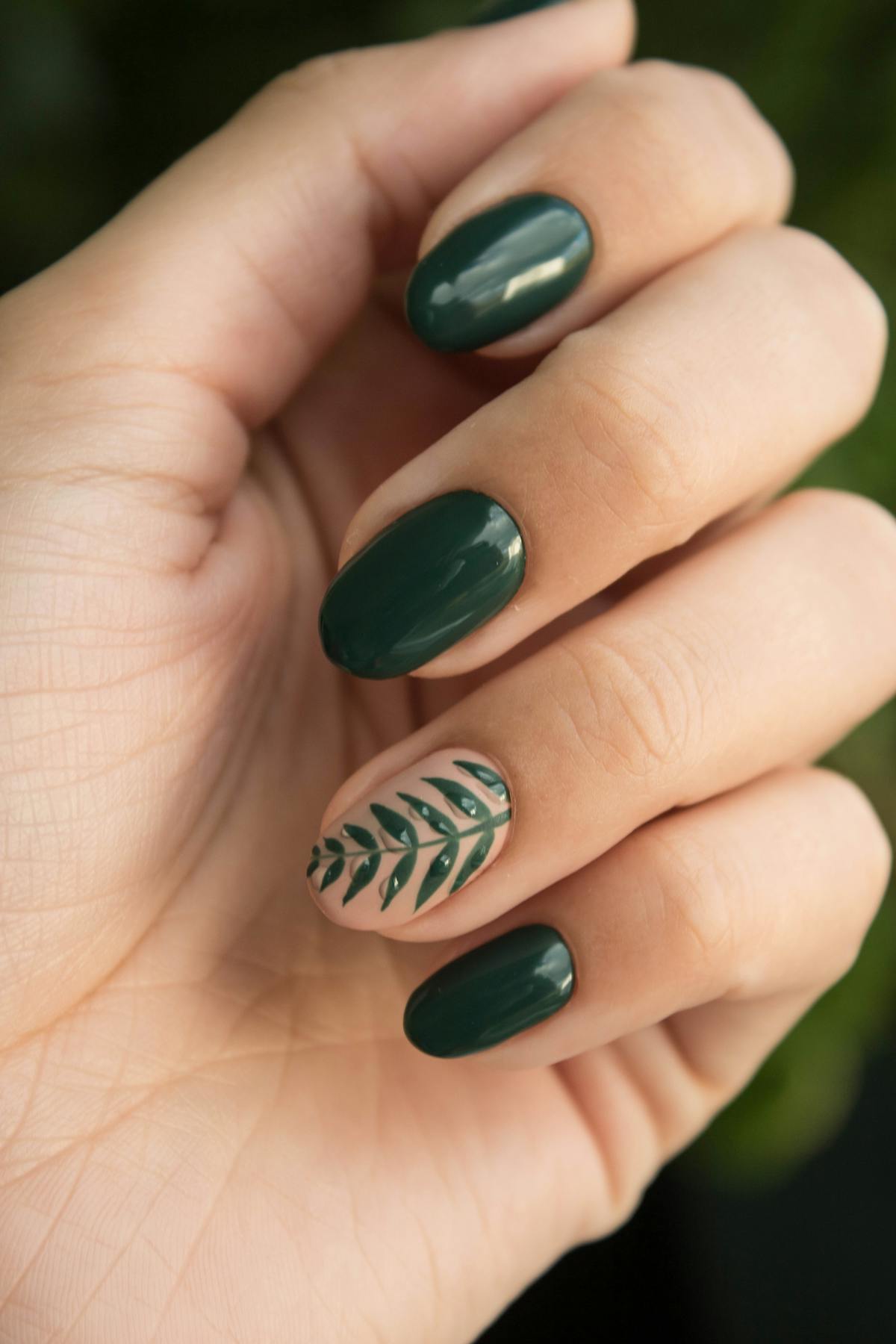
Nail care is often overlooked in daily beauty routines, yet it plays a vital role in maintaining both hygiene and appearance. Healthy nails are not only a sign of good grooming but also reflect your overall health.

Whether you prefer natural nails or regular manicures, understanding proper nail care practices can prevent breakage, infections, and long-term damage.

Why Nail Care Matters

Your nails protect the sensitive tips of your fingers and toes. Neglecting them can lead to:

  • Brittle or peeling nails
  • Fungal infections
  • Painful hangnails
  • Discoloration

Proper maintenance ensures your nails stay strong, smooth, and attractive.

1. Keep Nails Clean and Dry

Keeping your nails clean prevents bacteria buildup. After washing your hands, make sure to dry them properly to avoid fungal growth.

Avoid prolonged exposure to water, and wear gloves while washing dishes or using cleaning products.

2. Trim and File Regularly

Trimming your nails regularly prevents splitting and snagging. Use clean nail clippers and file in one direction to avoid weakening the nail structure.

Avoid cutting cuticles, as they protect against infection. Instead, gently push them back after softening.

3. Moisturize Your Nails and Cuticles

Just like your skin, your nails need hydration. Applying cuticle oil or hand cream daily helps prevent dryness and cracking.

Look for products containing Vitamin E, almond oil, or jojoba oil for extra nourishment.

4. Limit Harsh Chemicals

Frequent use of acetone-based removers and strong nail products can weaken nails over time. Give your nails occasional breaks from polish to allow them to breathe and recover.

5. Maintain a Healthy Diet

Strong nails start from within. A balanced diet rich in protein, biotin, iron, and omega-3 fatty acids supports nail strength and growth.

  • Eggs and dairy products
  • Nuts and seeds
  • Leafy green vegetables
  • Fish and lean meats

Signs You Should See a Professional

If you notice persistent discoloration, thickening, severe brittleness, or pain around your nails, consult a healthcare professional. These could be signs of fungal infection or underlying health conditions.

Final Thoughts

Healthy nails are the result of consistent care and smart habits. Simple steps like cleaning, moisturizing, trimming, and eating a balanced diet can make a noticeable difference.

By improving your nail care practices, you not only enhance your appearance but also protect your overall nail health for the long term.

Saturday, February 12, 2011

You can Forget about Worrying about Stretch Marks

You Can Forget About Worrying About Stretch Marks

Stretch marks are completely normal. They appear on the stomach, thighs, hips, arms, and even the lower back. While many people feel insecure about them, the truth is that stretch marks are a natural part of skin changes.

The good news? With proper care, you can significantly reduce their appearance and stop worrying about them altogether.

What Causes Stretch Marks?

Stretch marks form when the skin stretches quickly due to:

  • Pregnancy
  • Rapid weight gain or loss
  • Growth spurts during puberty
  • Muscle building
  • Hormonal changes

When skin stretches rapidly, collagen and elastin fibers break, leaving behind visible lines that may appear red, purple, or white over time.

Can Stretch Marks Be Removed Completely?

Stretch marks cannot be removed 100%, but they can fade significantly. With consistent care, their color lightens and texture improves, making them much less noticeable.

1. Keep Your Skin Deeply Moisturized

Hydrated skin is more elastic and resilient. Use body lotions or creams containing ingredients like:

  • Shea butter
  • Cocoa butter
  • Hyaluronic acid
  • Vitamin E
  • Collagen-boosting formulas

Apply moisturizer twice daily and massage gently into affected areas to improve circulation.

2. Use Retinol or Vitamin C (If Suitable)

Retinol helps boost collagen production, while Vitamin C improves skin tone and brightness. These ingredients can help fade newer stretch marks over time.

Note: Pregnant women should consult a doctor before using retinol products.

3. Maintain a Healthy Lifestyle

Healthy skin starts from within. Support your skin by:

  • Drinking plenty of water
  • Eating protein-rich foods
  • Including Vitamin C and zinc in your diet
  • Avoiding rapid weight fluctuations

Stable body weight helps prevent new stretch marks from forming.

4. Professional Treatments

For more noticeable results, dermatologists may recommend:

  • Laser therapy
  • Microneedling
  • Chemical peels
  • Radiofrequency treatments

These treatments stimulate collagen production and improve skin texture.

Confidence Is Key

Stretch marks are incredibly common — models, athletes, mothers, and teenagers all experience them. They are not flaws; they are signs of growth and change.

Instead of hiding your skin, focus on caring for it. With proper treatment, healthy habits, and self-confidence, you can forget about worrying about stretch marks and feel comfortable in your own skin.

Final Thoughts

While stretch marks may not disappear overnight, consistent skincare and a balanced lifestyle can greatly improve their appearance. Patience and self-care are the real secrets to smoother, healthier-looking skin.

Looking Into the Causes of Hair Loss

Looking Into the Causes of Hair Loss

Hair loss is a common concern affecting both men and women across different age groups. While losing 50–100 strands daily is normal, excessive shedding or noticeable thinning can become stressful and emotionally challenging.

Understanding the root causes of hair loss is the first step toward finding the right treatment. Instead of guessing or trying random remedies, let’s explore the real reasons behind hair thinning and what you can do about it.

1. Genetic Factors (Hereditary Hair Loss)

The most common cause of hair loss is genetics. Male pattern baldness and female pattern hair thinning are inherited conditions that develop gradually over time.

If close family members experience early hair thinning, your chances of facing similar issues may increase.

2. Hormonal Changes

Hormonal imbalances can significantly affect hair growth cycles. Common triggers include:

  • Pregnancy and postpartum changes
  • Thyroid disorders
  • Menopause
  • Polycystic Ovary Syndrome (PCOS)

When hormones fluctuate, hair may enter the shedding phase prematurely.

3. Nutritional Deficiencies

Your hair needs proper nutrients to grow strong and healthy. Deficiencies in iron, protein, zinc, vitamin D, and biotin can weaken hair follicles and increase shedding.

A balanced diet rich in leafy greens, eggs, nuts, fish, and lean proteins supports healthier hair growth.

4. Stress and Lifestyle Factors

Physical or emotional stress can trigger a condition called telogen effluvium, where hair sheds more than usual. Lack of sleep, poor diet, and smoking can also contribute to hair thinning.

Managing stress through exercise, meditation, and proper rest can help restore normal hair growth cycles.

5. Hair Care Habits and Styling Damage

Frequent heat styling, tight hairstyles, chemical treatments, and harsh shampoos can damage hair strands and weaken roots. Over time, this leads to breakage and visible thinning.

Switching to gentle products and reducing heat exposure can prevent further damage.

When Should You See a Doctor?

If hair loss is sudden, severe, or accompanied by itching, redness, or pain, consult a dermatologist. Medical conditions such as autoimmune disorders or scalp infections may require professional treatment.

Final Thoughts

Hair loss can be caused by multiple factors, from genetics and hormones to nutrition and lifestyle habits. Identifying the underlying cause is essential before starting any treatment.

With the right care, healthy diet, stress management, and professional advice when needed, many types of hair loss can be managed effectively.

Thursday, February 10, 2011

Want Great Make Up? Clean Those Brushes!

Want Great Make Up? Clean Those Brushes!

If your makeup doesn’t look as smooth or flawless as it should, the problem might not be your products — it could be your brushes. Dirty makeup brushes can ruin your finish, cause breakouts, and even shorten the life of your cosmetics.

Clean brushes are the secret weapon behind professional-looking makeup. If you truly want a flawless glow, it’s time to start taking brush hygiene seriously.

Why Cleaning Your Makeup Brushes Is So Important

Makeup brushes collect foundation, powder, oil, dirt, and bacteria every time you use them. Over time, this buildup can:

  • Cause acne and skin irritation
  • Make blending uneven
  • Change the true color of your makeup
  • Create a cakey or patchy finish

Professional makeup artists clean their brushes regularly — and that’s one of the reasons their makeup always looks flawless.

How Often Should You Clean Your Brushes?

  • Foundation & concealer brushes: Once a week
  • Powder brushes: Every 1–2 weeks
  • Eye brushes: Weekly (especially if used daily)
  • Beauty sponges: After every use

If you have acne-prone or sensitive skin, cleaning more frequently is recommended.

Step-by-Step: How to Clean Makeup Brushes Properly

1. Rinse with Lukewarm Water

Hold the brush bristles downward under running water. Avoid soaking the handle, as water can loosen the glue inside.

2. Use Gentle Cleanser

Apply a small amount of mild shampoo, baby shampoo, or brush cleanser to your palm. Swirl the brush gently to break down makeup residue.

3. Rinse Thoroughly

Rinse until the water runs clear and no product remains.

4. Dry Correctly

Squeeze out excess water with a clean towel and reshape the bristles. Lay brushes flat on a towel to air dry completely.

Extra Tips for Better Makeup Results

  • Use separate brushes for cream and powder products
  • Store brushes upright in a clean container
  • Avoid sharing brushes to prevent bacterial transfer
  • Replace brushes if bristles start shedding

Final Thoughts

Great makeup isn’t just about expensive products — it’s about proper tools and hygiene. Clean brushes ensure smooth blending, accurate color application, and healthier skin.

If you want your makeup to look professional, fresh, and flawless every time, start by cleaning your brushes regularly. Your skin — and your selfies — will thank you.

How to Cure Dandruff the Right Way

How to Cure Dandruff the Right Way

Dandruff is a common scalp condition that affects millions of people worldwide. Those white flakes on your shoulders can be frustrating, embarrassing, and uncomfortable. The good news? Dandruff is treatable — but only if you follow the right approach.

Instead of trying random home remedies or constantly switching shampoos, understanding the root cause of dandruff is the key to long-term relief. Let’s explore the proper way to treat and prevent dandruff effectively.

What Actually Causes Dandruff?

Dandruff is usually caused by one or more of the following factors:

  • Dry scalp
  • Excess oil production
  • Fungal growth (Malassezia yeast)
  • Product buildup on the scalp
  • Hormonal changes and stress

Identifying whether your scalp is dry or oily helps you choose the correct treatment.

1. Choose the Right Anti-Dandruff Shampoo

Using a medicated anti-dandruff shampoo is the most effective first step. Look for ingredients such as:

  • Ketoconazole
  • Zinc Pyrithione
  • Selenium Sulfide
  • Salicylic Acid
  • Tea Tree Oil

Massage the shampoo directly into your scalp and leave it for at least 3–5 minutes before rinsing. Use it 2–3 times weekly for best results.

2. Keep Your Scalp Clean (But Don’t Overwash)

Overwashing can strip your scalp’s natural oils, causing more dryness and irritation. On the other hand, not washing enough can lead to oil buildup and fungal growth.

Maintain a balanced washing routine based on your hair type:

  • Oily scalp: 3–4 times per week
  • Dry scalp: 2–3 times per week
  • Normal scalp: As needed

3. Moisturize and Nourish the Scalp

If dryness is the cause, moisturizing the scalp can significantly reduce flakes. Natural remedies such as coconut oil, aloe vera, or diluted tea tree oil can calm irritation and restore moisture balance.

Apply oil gently to your scalp, leave it for 30–60 minutes, and wash thoroughly.

4. Improve Your Diet for a Healthy Scalp

Your scalp health reflects your internal health. A poor diet lacking nutrients can worsen dandruff.

Include these nutrients in your meals:

  • Zinc (nuts, seeds, meat)
  • Omega-3 fatty acids (fish, flaxseeds)
  • Vitamin B complex (eggs, whole grains)
  • Protein (chicken, lentils, yogurt)

5. Reduce Stress and Improve Lifestyle

Stress weakens your immune system and can trigger dandruff flare-ups. Getting 7–8 hours of sleep, exercising regularly, and practicing relaxation techniques like meditation can help maintain scalp balance.

When Should You See a Dermatologist?

If dandruff becomes severe, spreads to your eyebrows or beard, causes redness, or does not improve after 3–4 weeks of treatment, consult a dermatologist. You may have seborrheic dermatitis or another underlying scalp condition requiring prescription treatment.

Final Thoughts

Curing dandruff the right way requires patience, consistency, and proper product selection. Avoid quick fixes and focus on long-term scalp health. With the right shampoo, balanced hygiene routine, proper nutrition, and stress management, you can achieve a clean, healthy, and flake-free scalp.

How Can I Gain Weight and Build Muscle?

How Can I Gain Weight and Build Muscle?

Gaining weight in a healthy way requires the right combination of nutrition, strength training, and consistency. If you struggle with being underweight or find it difficult to build muscle, this guide will help you understand exactly what to do.

1. Increase Your Daily Calorie Intake

To gain weight, you must consume more calories than your body burns. Focus on nutrient-dense foods like rice, pasta, whole grains, nuts, seeds, peanut butter, milk, eggs, and lean meats. Instead of junk food, aim for clean calories that help build muscle, not just fat.

  • Eat 5–6 meals per day
  • Add healthy snacks between meals
  • Include protein in every meal

2. Focus on High-Protein Foods

Protein is essential for muscle growth. Aim for approximately 1.6–2.2 grams of protein per kilogram of body weight daily. Good protein sources include:

  • Chicken breast
  • Eggs
  • Greek yogurt
  • Lentils and beans
  • Protein shakes

3. Start Strength Training

Weight training is the most effective way to build muscle mass. Focus on compound exercises such as:

  • Squats
  • Deadlifts
  • Bench Press
  • Pull-ups
  • Overhead Press

Train 3–5 times per week and gradually increase the weight (progressive overload).

4. Add Healthy Fats

Healthy fats are calorie-dense and help you reach your calorie goals easily. Add foods like avocados, olive oil, almonds, walnuts, and peanut butter to your meals.

5. Get Enough Rest and Recovery

Muscles grow during rest, not during workouts. Aim for 7–9 hours of quality sleep per night. Avoid overtraining, as it can slow down your progress.

Bonus Tips for Faster Results

  • Drink high-calorie smoothies (milk + banana + peanut butter + oats)
  • Track your calories using a fitness app
  • Stay consistent for at least 8–12 weeks
  • Measure progress with photos and weight tracking

Final Thoughts

Gaining weight and building muscle is a gradual process. Focus on eating in a calorie surplus, training consistently, and prioritizing recovery. With dedication and the right strategy, you can achieve a stronger and healthier body.

Saturday, February 5, 2011

Include Nu Skin Products in Your Beauty Regimen

Include Nu Skin Products in Your Beauty Regimen

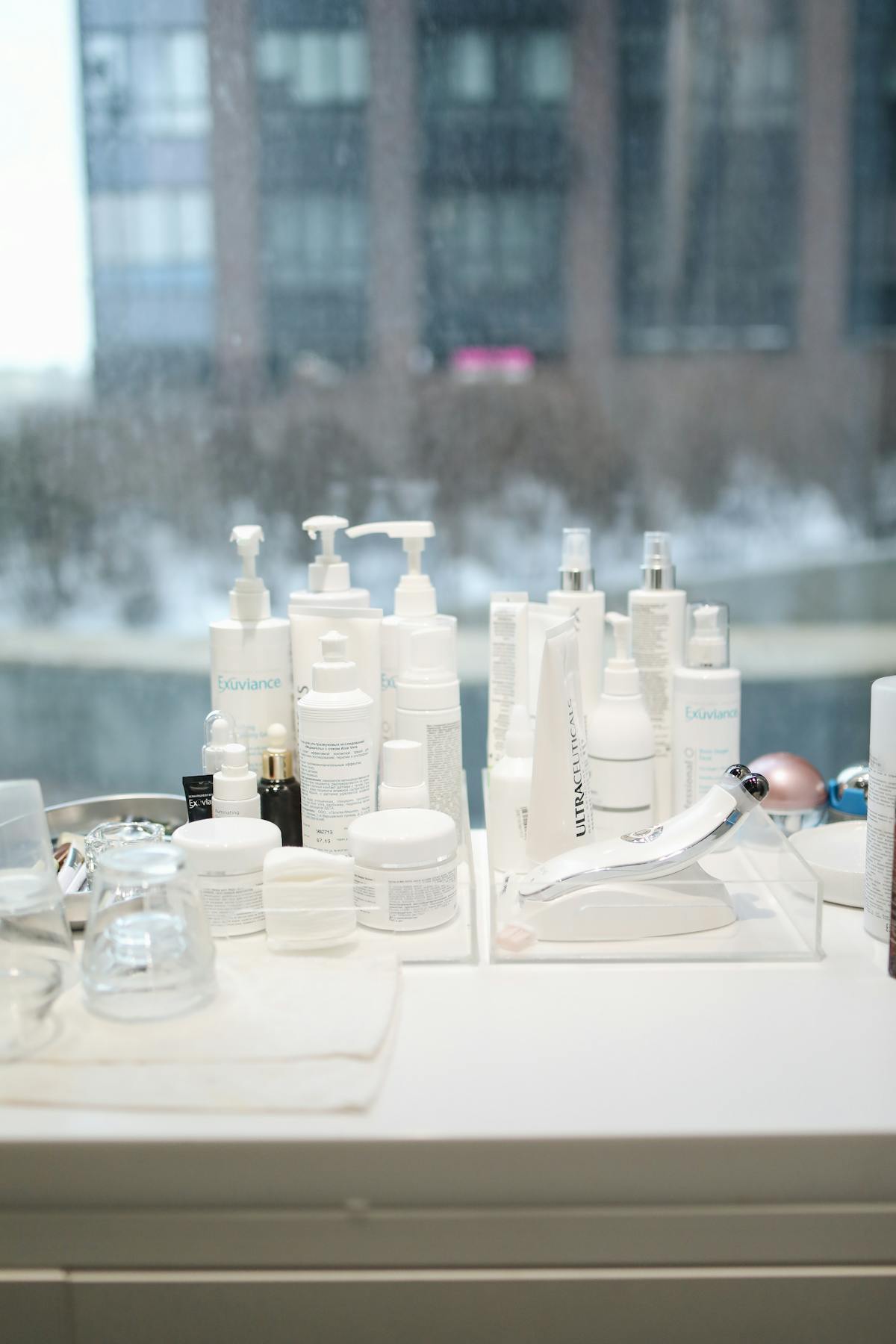
In today’s fast-paced world, maintaining healthy and glowing skin requires more than just basic cleansing. A structured beauty routine with high-quality skincare products can completely transform your results. Nu Skin is known worldwide for its science-backed anti-aging solutions and premium skincare innovations.

Why Choose Nu Skin?

Nu Skin stands out because of its commitment to innovation and research. Their skincare solutions focus on reducing visible signs of aging while improving overall skin health.

  • Advanced Anti-Aging Technology
  • High-Quality Ingredients
  • Complete Skincare Systems
  • Beauty Devices for Enhanced Results

Step 1: Start with a Gentle Cleanser

Cleansing is the foundation of every skincare routine. Use a gentle cleanser suitable for your skin type. Massage onto damp skin for 30–60 seconds and rinse with lukewarm water.

Step 2: Apply a Treatment Serum

Serums contain concentrated active ingredients that target specific skin concerns such as wrinkles, dullness, and uneven tone. Apply a few drops and gently press into your skin for better absorption.

Step 3: Moisturize for Hydration

Moisturizing helps lock in hydration and protect the skin barrier. Choose a lightweight moisturizer for daytime and a richer cream at night for deep nourishment.

Step 4: Use Beauty Devices

Advanced skincare devices can enhance product absorption and improve skin firmness. Using beauty tools regularly can elevate your skincare routine to professional-level results.

Benefits of Consistency

When used consistently, Nu Skin products may help:

  • Improve skin texture
  • Boost hydration levels
  • Reduce fine lines
  • Enhance natural glow

Final Thoughts

Incorporating Nu Skin products into your beauty regimen can help you achieve healthier, more radiant skin. The key is consistency and choosing products that suit your skin type. Build your routine step-by-step and allow time for visible results.